
Myrtle-leaved orange
Citrus myrtifolia Raf.
Description
Growing requirements
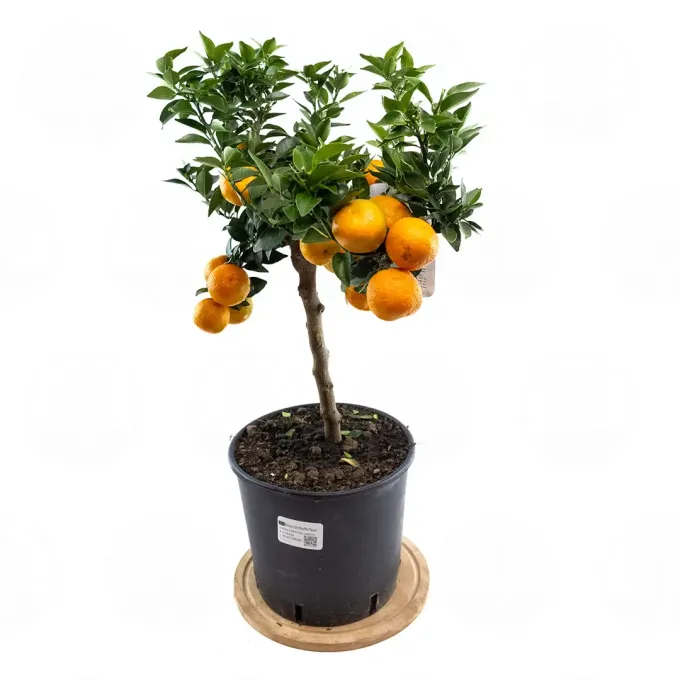
The myrtle-leaved orange, botanically known as Citrus myrtifolia, is a distinctive evergreen tree belonging to the Rutaceae family. It is easily recognized by its compact growth habit and small, leathery leaves that resemble those of the myrtle plant.
Originally native to Southern China, the plant has become a hallmark of Mediterranean agriculture, particularly in Italy, where it is known as "Chinotto." It thrives in subtropical climates that offer mild winters and stable temperatures.
The species requires well-drained, nutrient-rich soil with a slightly acidic to neutral pH level. As a sunlight-loving plant, it needs plenty of direct light to thrive, whether grown in an orchard setting or in containers.
Proper hydration is essential, but gardeners must avoid waterlogging the roots, which can be fatal for citrus varieties. During the growing season, a balanced fertilizer application helps support vigorous leaf development and fruit setting.
Regular pruning is required not only for shape control but also to ensure adequate light penetration through the dense canopy. Humidity management is also crucial when the plant is kept in greenhouses or indoor environments to prevent stress.
Yield
The fruit of Citrus myrtifolia is small, sour, and bitter, making it unsuitable for fresh consumption. However, its complex aromatic profile makes it an invaluable ingredient for the food and beverage industry.
It is best known as the primary flavoring agent for the Italian "Chinotto" soft drink. Additionally, the fruit is widely used in the production of high-quality candied fruits, specialty liqueurs, and essential oils for the fragrance market.
Commercial yields typically increase significantly once the trees reach maturity, usually between 8 and 12 years of age. Growers aim for a consistent harvest by optimizing irrigation and nutrition protocols throughout the year.
Harvesting is performed manually when the fruits attain their deep orange color, ensuring that the fruit skin remains intact for storage or processing. The timing of the harvest is critical to maintain the concentration of essential oils.
Given the niche demand for artisanal and authentic Mediterranean products, the cultivation of myrtle-leaved oranges remains a profitable venture for specialized growers targeting the beverage and confectionery markets.
Main diseases and pests
Scale insects and spider mites are the most common pests affecting Citrus myrtifolia. These pests tend to thrive in warm, dry environments and can quickly weaken the tree if not managed with regular monitoring.
Fungal issues, such as anthracnose, can affect leaves and twigs, especially in areas with poor ventilation or high moisture levels. Maintaining good canopy airflow is a primary cultural method to reduce fungal infection risks.
Root rot, often caused by Phytophthora species, occurs when soil drainage is poor. Ensuring that the root zone does not stay saturated is the most effective way to prevent these debilitating soil-borne diseases.
Mealybugs can also infest the tree, leaving behind honeydew that encourages sooty mold growth. Early intervention using horticultural oils or biological controls can prevent these infestations from spreading across the grove.
Overall, a proactive approach to tree health, including regular sanitary pruning and careful irrigation management, is essential for protecting the plant against both pest outbreaks and common citrus diseases.