
Small-flower forget-me-not
Myosotis xparviflora
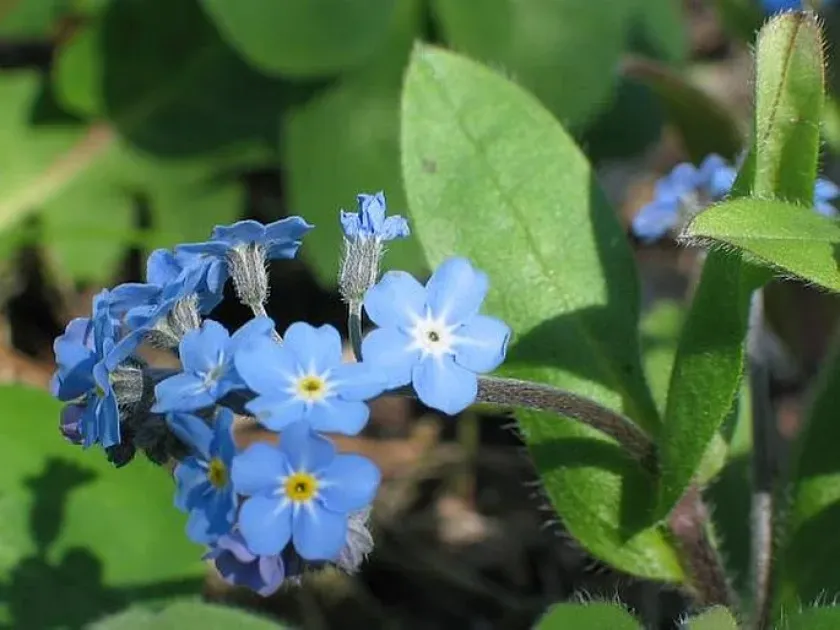
Description
Sowing dates
Myosotis parviflora, a member of the Boraginaceae family, requires specific sowing techniques to ensure successful establishment. Seeds should be sown in early spring or autumn, depending on the climatic zone, as they thrive in cool, moist conditions.
Due to the small size of the seeds, they should be sown on the surface of the soil or covered with a very thin layer of fine substrate. This ensures proper light exposure and contact with moisture, which are critical for uniform germination.
For commercial cultivation, pre-sowing stratification is often employed to break dormancy and improve the overall emergence rate of the crop. This mimics natural environmental cycles and leads to more vigorous seedling growth.
Planting density is a crucial factor for the development of healthy plants. Maintaining a spacing of 15–20 cm allows for sufficient airflow, which prevents the development of fungal diseases often associated with high-density plantings.
Greenhouse production involves starting seeds in seed trays 6–8 weeks before the last frost. Maintaining a constant temperature of 18 degrees Celsius helps in achieving high germination percentages and uniform plant size.
Growing requirements
The crop thrives in well-drained, moderately fertile loamy soils. It is highly sensitive to waterlogging, as the root system of the Myosotis genus is prone to rot in poorly aerated environments.
While the plant prefers sunny locations, it performs best in partial shade, especially in warmer regions. Excessive heat can cause the plant to wilt and shorten its flowering cycle significantly.
Optimal growth occurs at temperatures between 15 and 22 degrees Celsius. The crop is known for its cold tolerance, allowing it to withstand early spring temperatures that would be detrimental to more thermophilic plants.
Fertilization should be handled carefully; excess nitrogen leads to lush foliage development at the expense of floral production. A balanced fertilizer applied once during the vegetative stage is usually sufficient.
Regular weeding and soil aeration are recommended to support root development. The plant prefers moist conditions but should not be subjected to standing water, as this disrupts the respiration of the root system.
Main diseases and pests
Powdery mildew is the most common fungal disease affecting this crop, particularly in humid environments. The appearance of a white, dusty layer on the leaves necessitates immediate fungal control measures.
Aphids are frequent pests that target the terminal shoots and developing flower buds. Early detection is essential to prevent significant damage and the spread of viral infections carried by these insects.
Root rot caused by Phytophthora or Pythium species is a significant threat in heavy, compacted soils. Proper drainage and preventing excessive soil moisture are the primary strategies for managing this risk.
Slugs and snails can cause severe defoliation during cool, wet seasons. Implementing physical barriers or using organic baits can help manage pest populations without damaging the plant crop.
- Use of certified, clean seeds to prevent soil-borne pathogens.
- Implementation of drip irrigation to keep foliage dry and reduce mildew.
- Strict adherence to crop rotation to minimize long-term soil pest buildup.