
Wood forget-me-not
Myosotis sylvatica Ehrh. ex Hoffm.
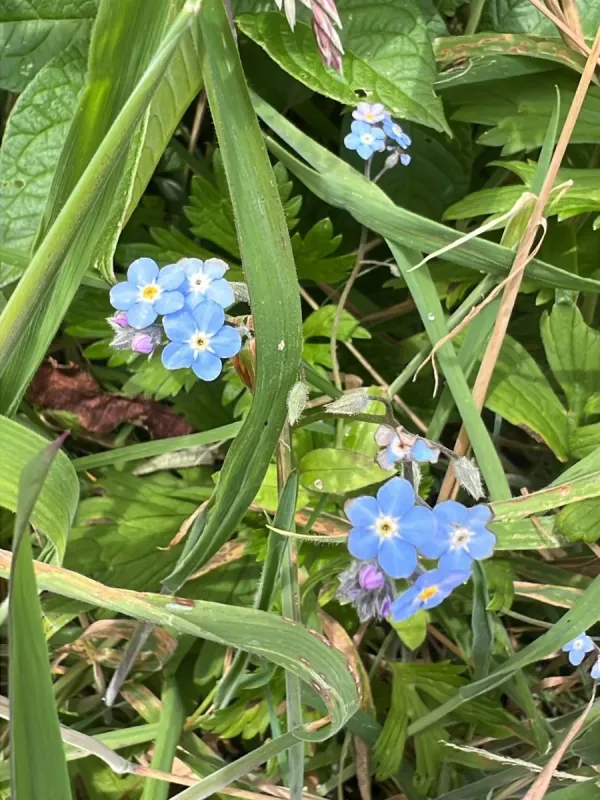
Description
Sowing dates
Wood forget-me-not (Myosotis sylvatica), a member of the Boraginaceae family, is typically grown as a biennial. Seeds are sown in late June or July to allow for the development of a strong basal rosette before the onset of winter.
For early spring blooms, seeds can be sown in autumn or started in greenhouses during late winter. Careful attention must be paid to moisture levels, as the small seeds require consistent humidity to germinate effectively.
Seeds should be sown shallowly and covered with a fine layer of substrate. Once seedlings emerge, thinning is necessary to ensure adequate airflow and space, with spacing typically maintained at 15-20 centimeters between individual plants.
This crop is known for its ability to naturalize through self-seeding, making it an excellent choice for woodland garden edges or informal meadows. Regular thinning and oversight help maintain the health of the population.
When selecting a sowing site, it is crucial to consider future light conditions. While young plants are hardy, they respond best to consistent environmental factors established during the initial sowing stage.
Growing requirements
The crop thrives in fertile, loose, and well-draining soils. While it prefers consistent moisture, it is imperative to avoid waterlogged conditions, which can lead to root system failure in this species.
As a shade-tolerant plant, the wood forget-me-not performs best in partial shade. Direct midday sun in hotter climates can cause the foliage to wilt and significantly shorten the flowering duration.
Regular irrigation is essential, especially during dry spells in late spring and early summer. Maintaining a moist root zone is critical for the production of healthy, vibrant flower clusters.
Annual fertilization with balanced, slow-release mineral nutrients during the early spring growth phase promotes better floral display. Excessive nitrogen should be avoided to prevent leggy, weak growth.
The wood forget-me-not is highly resilient and exhibits strong winter hardiness. It rarely requires special winter protection, adapting well to a wide range of temperate climatic conditions.
Main diseases and pests
Powdery mildew is the most common fungal issue, often appearing as a white dust on the foliage during periods of high humidity or poor air circulation. Fungicidal applications may be required in severe cases.
Root rot and crown rot occur when drainage is insufficient. Careful soil management and avoiding overcrowding are the best preventive measures against these persistent soil-borne pathogens.
Slugs and snails are the primary pests that damage the succulent leaves of the plant. Barriers and baiting techniques are often employed in garden settings to protect the foliage from extensive feeding damage.
Aphids can also colonize the plant, particularly on the developing inflorescences. Controlling aphid populations with insecticidal soap or biological controls helps maintain the ornamental quality of the crop.
Maintaining a clean cultivation area, free from debris and excess weeds, is fundamental to reducing the pressure from both diseases and common garden pests throughout the growing season.