
Moricandia suffruticosa
Moricandia suffruticosa
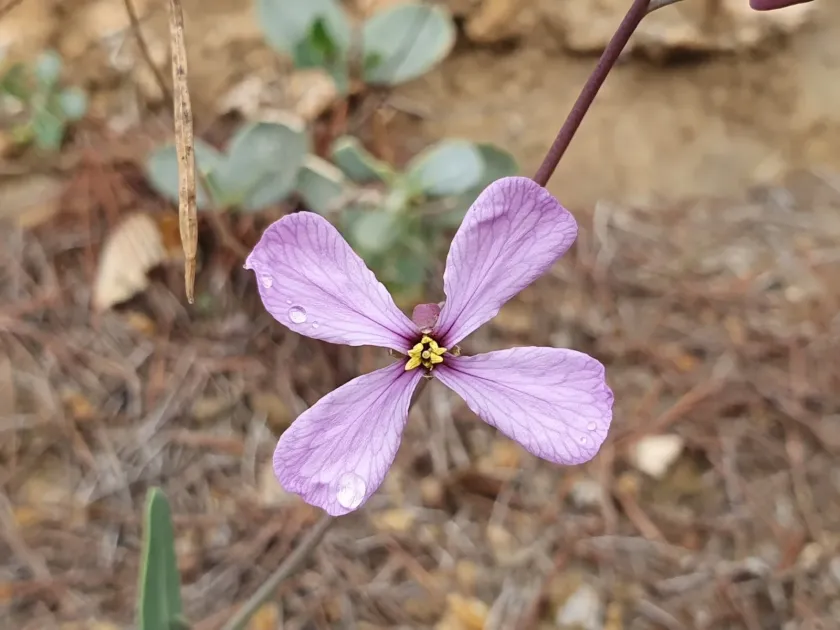
Description
Sowing dates
Moricandia suffruticosa belongs to the Brassicaceae family and is recognized as a hardy perennial species. It has gained interest for its ability to thrive in challenging environments where traditional crops fail to establish effectively.
The sowing process is usually initiated during the early spring months. Success depends on preparing a fine, weed-free seedbed that allows the small seeds to establish rapid root contact with the soil profile for better moisture absorption.
Growing requirements
Regarding cultivation requirements, the plant excels in arid and semi-arid climates. It is highly heat-tolerant and thrives in full sun exposure, making it an excellent candidate for agricultural expansion in desert-adjacent regions.
The crop prefers well-drained, sandy, or rocky soils with a tendency towards alkalinity. Its ability to tolerate salinity is a major agronomic feature, providing a sustainable solution for utilizing degraded or marginal lands in agriculture.
Water management is critical only during the seedling stage. Once established, the root system of Moricandia suffruticosa becomes highly efficient at scavenging moisture, allowing the plant to sustain growth throughout long periods of drought.
Main diseases and pests
Key threats include common pests affecting the Brassicaceae family, such as flea beetles and aphids, which can severely impact foliage quality if left unchecked. Integrated pest management strategies are advised for commercial plots.
Diseases such as powdery mildew may occur in stagnant, humid microclimates. Ensuring proper plant spacing to facilitate airflow is a standard preventative measure to maintain plant health and improve overall biomass yields.