
Moricandia nitens
Moricandia nitens
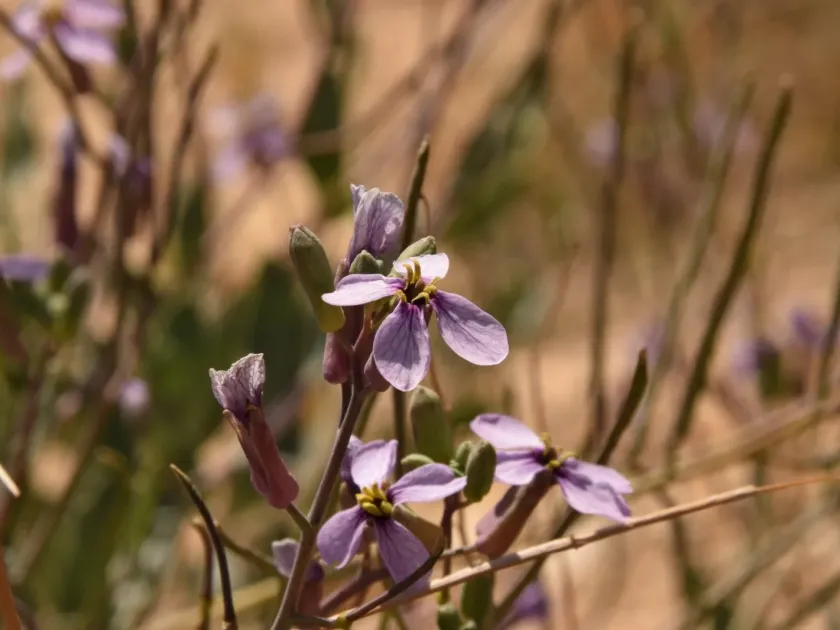
Description
Sowing dates
Moricandia nitens is typically sown in early spring when soil temperatures reach stable levels. Proper seedbed preparation is essential to ensure uniform germination, requiring a finely textured soil surface.
The optimal sowing depth is approximately 1 to 2 centimeters, which provides adequate protection against drying out while allowing for quick emergence. Row spacing should be maintained to facilitate mechanical weed control and airflow.
The plant demonstrates good seed vigor, but timely irrigation or adequate soil moisture at sowing is critical for achieving the target plant density. Excessive density should be avoided to prevent competition for light and nutrients.
In regions with milder winters, early autumn sowing might be possible, provided the plants reach a rosette stage sufficient for winter survival. However, spring sowing remains the standard practice for most cultivation areas.
Rolling the soil after planting is recommended to ensure consistent seed-to-soil contact. This practice promotes faster capillary movement of water, which is vital for the germination of smaller seeds.
Growing requirements
This crop prefers well-drained, fertile soils with neutral to slightly alkaline reaction. It is known for its moderate tolerance to salinity, making it a viable candidate for marginal land development within the Brassicaceae family.
Plants require full sun exposure for optimal growth and high oil yield. Shaded environments significantly reduce biomass production and can lead to thin, elongated stems that are prone to lodging.
While Moricandia nitens is relatively drought-tolerant, it achieves its maximum yield potential when rainfall is consistent during the vegetative and flowering stages. It is highly adaptable to a variety of temperate climates.
Temperature management is crucial; while the plant withstands moderate spring frost, extreme heat during the flowering phase may affect pollination and subsequent seed set.
Soil fertility management should focus on a balanced NPK ratio. Supplementing with micronutrients such as sulfur, typical for brassicas, enhances both the vegetative growth and the qualitative properties of the harvested seeds.
Main diseases and pests
Cruciferous pests, particularly flea beetles, pose the greatest threat during the early emergence phase. These insects can quickly defoliate young seedlings if left unmonitored during the initial weeks of growth.
Fungal diseases, including downy mildew and powdery mildew, may emerge in conditions of high humidity or poor field ventilation. Regular scouting for early symptoms is an essential part of the crop management plan.
Aphid populations can build up rapidly under warm and dry conditions, causing plant stress and potentially transmitting viral diseases. Early detection is key to controlling infestations before they reach economic thresholds.
Root pathogens can become a concern in fields where proper crop rotation has not been practiced. Avoiding consecutive plantings of Brassicaceae on the same field is necessary to reduce the buildup of soil-borne pests.
Integrated Pest Management (IPM) strategies, which prioritize cultural controls like sanitation and weed suppression, should be combined with targeted chemical treatments to effectively protect the crop throughout the season.