
Moricandia arvensis
Moricandia arvensis
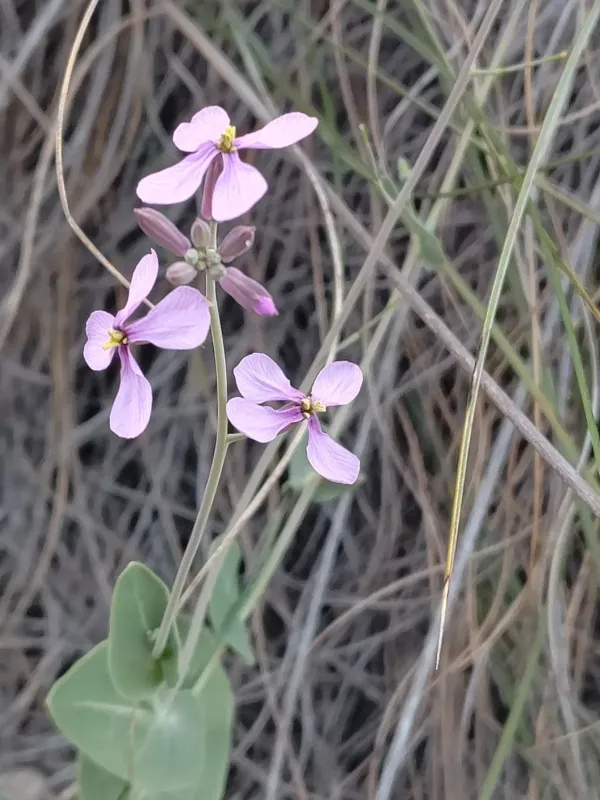
Description
Sowing dates
Moricandia arvensis is a plant adapted to Mediterranean climates, and its sowing times are primarily determined by local temperature and moisture cycles. In temperate regions, it is typically sown in early spring once soil temperatures reach 8-10 degrees Celsius.
In areas with mild winter conditions, autumn sowing is a common practice. This allows the plants to establish a robust root system and a vegetative leaf rosette before the intense summer heat arrives, making the most of winter rainfall.
Due to the small size of the seeds, they should be planted at a shallow depth of 1-2 centimeters. Ensuring a well-prepared, fine-textured seedbed is essential for achieving uniform germination and emergence.
When grown for forage or green biomass, row planting with a spacing of 15-20 centimeters is recommended. This setup encourages a dense stand, which maximizes the yield per hectare and provides adequate competition against weeds.
Effective weed control during the seedling stage is critical. Establishing a clean field before planting or using selective herbicides can significantly improve the growth dynamics and final crop yield.
Growing requirements
As a member of the Brassicaceae family, Moricandia arvensis is remarkably drought-tolerant and well-suited for marginal, rocky, or nutrient-poor soils. Its ability to grow in saline conditions makes it a valuable crop for reclaiming problematic lands.
While the plant is not highly demanding regarding soil fertility, it responds positively to nitrogen fertilization, which enhances vegetative biomass production and overall plant vigor.
The crop thrives in sunny environments and performs best when exposed to good light conditions. It is sensitive to excessive soil moisture, particularly during the winter, as waterlogging can easily damage the root system.
Equipped with a deep taproot system, the plant can access water from deeper soil horizons. This structural adaptation allows it to survive extended periods of atmospheric and soil drought better than many other forage crops.
In crop rotation systems, it acts as an excellent soil conditioner. The roots effectively break up compacted subsoil layers, thereby improving aeration and water infiltration for subsequent rotational crops.
Yield
The biomass yield of Moricandia arvensis is closely linked to rainfall distribution during the early growing season. Although it is a resilient crop, consistent moisture significantly boosts total green matter production.
For high-quality forage, harvesting should occur during the budding phase. At this developmental stage, the plant reaches its peak nutritional density, offering high protein content and digestibility for livestock.
Seed production depends heavily on insect pollination. Being an entomophilous crop, it attracts bees and other pollinators, which are vital for ensuring a high percentage of seed set and overall grain yield.
Under irrigation, the potential for biomass production increases dramatically. However, the true economic value of this species lies in its ability to produce reliable yields in rain-fed conditions without excessive input requirements.
The green biomass is palatable and well-accepted by various livestock species, including cattle and small ruminants, cementing its role as a valuable insurance crop in arid farming systems.
Main diseases and pests
Like many other cruciferous plants, Moricandia arvensis is susceptible to standard pests. Crucifer flea beetles represent the most significant threat, particularly to young seedlings during the initial growth phase.
During the active vegetative period, crops may face pressure from cabbage moths and white butterflies. Regular field monitoring is essential to implement timely control measures before pests cause significant damage.
Common fungal diseases, such as downy mildew and Alternaria blight, can occur when humidity levels are high or if the canopy becomes too dense, restricting airflow within the field.
Integrated pest management strategies should focus on crop rotation, planting healthy seeds, and using agronomic practices that ensure good field ventilation to minimize disease pressure.
Clubroot, a soil-borne disease of brassicas, may occur under specific conditions. Managing soil pH and avoiding areas with a history of drainage issues is recommended to prevent such soil pathogens.
Harvesting
The timing of the harvest is critical and depends on the intended use of the crop. For forage purposes, mowing should be performed before the stems become overly lignified to maintain high nutritional quality.
For seed harvesting, timing is essential. The crop should be collected when the lower siliques (seed pods) begin to turn brown. Delayed harvesting increases the risk of pod shattering and significant seed loss.
Modern harvesting machinery should be carefully calibrated for small-seeded crops to minimize waste during threshing and separation processes in the combine harvester.
Post-harvest handling requires immediate cleaning and drying of the seeds. The moisture content must be reduced to 12-13 percent or lower to ensure long-term storage stability and high germination energy.
The leftover crop residues are beneficial as organic matter. When incorporated into the soil, they decompose relatively quickly, releasing nitrogen and potassium that support the fertility of the field for future cycles.