
Moricandia moricandioides
Moricandia moricandioides
Description
Growing requirements
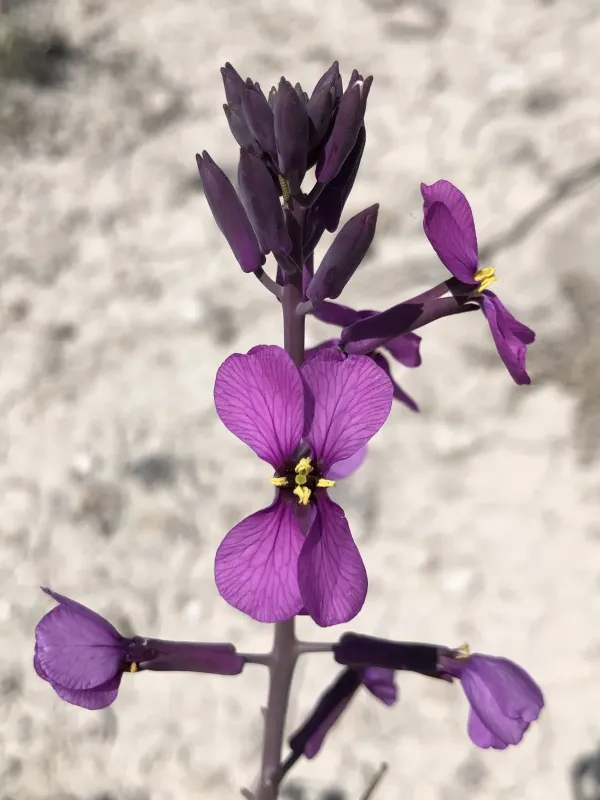
Moricandia moricandioides is a notable herbaceous perennial belonging to the Brassicaceae family. This species is gaining attention in agricultural research for its significant ability to thrive in arid environments where conventional crops often fail to establish.
Originating from the Mediterranean basin, the plant has evolved in rocky and limestone-rich terrains. Its physiological adaptation allows it to survive in nutrient-poor environments, making it a candidate for sustainable land use in desertification-prone areas.
The botanical structure of the plant features a robust root system and a glaucous, waxy leaf surface. These traits effectively minimize evapotranspiration, allowing the plant to maintain metabolic activity during prolonged periods of water scarcity.
Soil requirements for optimal development include high drainage capacity and neutral to slightly alkaline pH levels. The plant is sensitive to anaerobic conditions, meaning waterlogged soils are detrimental to its growth and overall development cycle.
Economically, this species serves as a promising forage crop. Its ability to produce high-protein biomass under low-input management makes it a valuable asset for livestock farmers seeking to diversify their crop rotations in Mediterranean climates.
Main diseases and pests
As a member of the Brassicaceae family, Moricandia moricandioides is prone to typical cruciferous pests and diseases. Major concerns include flea beetles, which can cause significant defoliation during the critical early growth stages of the plant.
Pathogenic threats include fungal infections such as clubroot and downy mildew. These organisms thrive in environments with poor soil aeration or excessive humidity, which can lead to severe crop losses if not managed with proper cultural practices.
Effective management requires strict adherence to crop rotation protocols to break the lifecycle of soil-borne pathogens. Integrating non-cruciferous crops into the field rotation is essential to maintain long-term soil health and pest control.
Chemical intervention should be used cautiously, prioritizing biological controls where possible. If pesticides are necessary, they must be applied according to local regulations to ensure the forage remains safe for consumption by animals.
Regular field scouting is highly recommended to detect pest outbreaks or initial signs of disease. Early intervention helps to minimize the reliance on intensive chemical spraying and ensures the overall productivity and sustainability of the crop.