
Moricandia spinosa
Moricandia spinosa
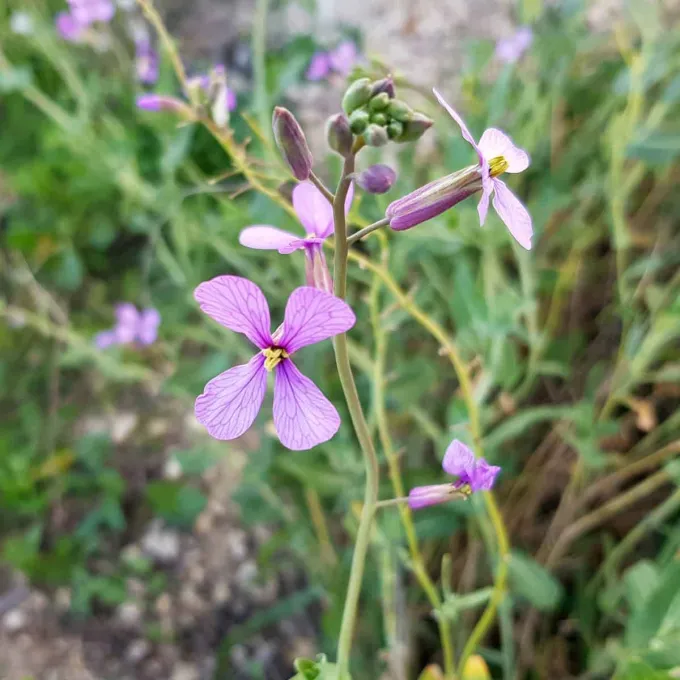
Description
Sowing dates
Sowing Moricandia spinosa should be timed to coincide with the beginning of the rainy season to provide sufficient moisture for seedling establishment in arid environments.
The seeds require careful placement at a depth of 1-2 centimeters, ensuring they have enough energy to emerge through the typically compacted desert soil crust.
Row spacing should be generous, approximately 50-70 centimeters apart, to prevent competition for the limited water available in the root zone of the growing plants.
Pre-treatment of seeds might be necessary to break dormancy and ensure more synchronized germination rates across the entire planted field area.
Optimal soil temperatures are crucial for the sowing period, as cold soil can delay germination and expose young sprouts to prolonged environmental stressors.
Growing requirements
Moricandia spinosa belongs to the Brassicaceae family and is highly adapted to survive in extreme semi-desert and desert climates where other crops fail.
This species thrives in well-drained, sandy, or rocky soils, which are ideal for its root system, as it cannot tolerate prolonged waterlogging or high moisture levels.
The plant exhibits remarkable tolerance to extreme solar radiation, making it an excellent candidate for agricultural use in regions with high light intensity.
It shows notable salinity tolerance, allowing it to be cultivated on degraded lands that are otherwise considered unsuitable for traditional agricultural production.
Minimal soil disturbance is a key aspect of its agrotechnics, as it helps maintain the natural structure and integrity of the desert soil profile during growth.
Main diseases and pests
Pests typical of the Brassicaceae family, such as cruciferous flea beetles, represent the most significant threat during the early stages of plant development.
Root rot caused by fungal pathogens can become an issue if there is excessive moisture in the soil, highlighting the importance of proper drainage management.
Aphid infestations may affect the plant during the vegetative growth phase, potentially reducing biomass production if not monitored and managed appropriately.
Integrated pest management strategies are recommended, focusing on cultural practices rather than the heavy use of chemical pesticides in sensitive desert ecosystems.
Maintaining proper spacing and ensuring adequate airflow between plants can significantly reduce the risk of disease transmission within the cultivated area.