
Morel
Morchella Dill. ex Pers.
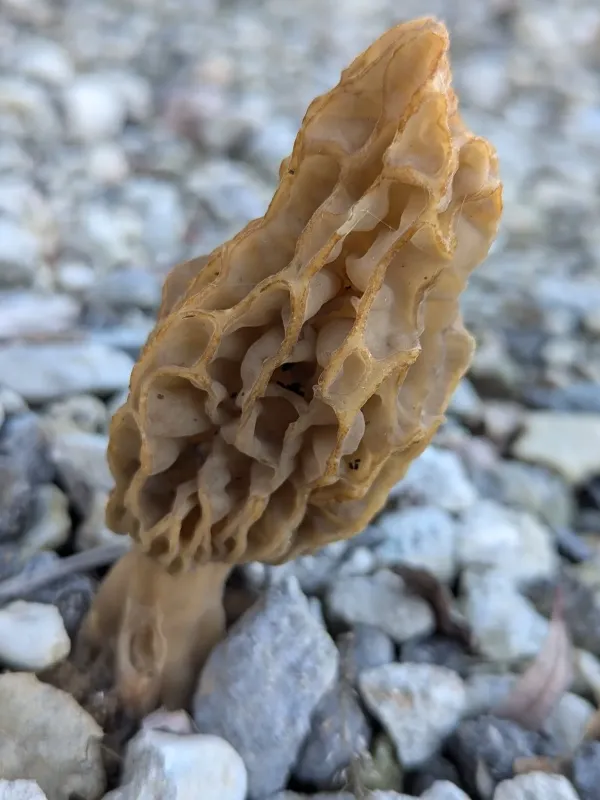
Description
Sowing dates
Morels belong to the Morchellaceae family and are among the most sought-after edible mushrooms worldwide due to their unique flavor profile.
Cultivation involves preparing a specialized substrate consisting of hardwood chips, gypsum, and composted organic matter to mimic the forest floor.
The inoculation process requires high-quality spawn, which is carefully mixed into the substrate to initiate the formation of the mycelial network.
It is recommended to start the cultivation process in late autumn, allowing the mycelium to establish itself fully before the spring growing season.
Maintaining a sterile environment during the initial stages is crucial to prevent contamination by aggressive molds that compete with Morchella species.
Growing requirements
Morels thrive in semi-shaded environments with consistent air humidity levels maintained between 70% and 80% throughout the growth cycle.
The temperature must fluctuate significantly; a cool period followed by a gradual increase helps trigger the initiation of fruiting bodies.
The substrate pH should be kept within a slightly alkaline range, which is optimal for the metabolic processes of the morel fungus.
Adequate ventilation is essential to ensure a constant supply of fresh air and to prevent the accumulation of carbon dioxide in the growing area.
Light levels should be kept low to moderate, as direct sunlight can induce premature drying of the developing mushroom heads.
Yield
Yield outcomes for morel cultivation are highly dependent on the precision of the environmental controls and the quality of the selected strain.
Successful growers can achieve yields ranging from 0.5 to 2 kilograms per square meter under optimized controlled conditions.
Consistency in yield is best maintained by providing periodic cycles of hydration and rest, reflecting the natural life cycle of the morel.
The use of advanced substrate formulas enriched with minerals can lead to more robust fruiting and improved overall harvest volumes.
Monitoring growth patterns closely allows for adjustments in moisture and temperature, which directly influence the final yield per square meter.
Main diseases and pests
Contamination by invasive molds, particularly Trichoderma species, remains the primary threat to morel beds, often leading to total crop loss.
Gastropods such as slugs and snails are persistent pests that can destroy young morel pins overnight if not properly controlled in the growing area.
Fungus gnats pose a significant risk, as their larvae burrow into the stems and caps, severely compromising the quality and safety of the mushrooms.
Bacterial blotch, caused by excessive surface moisture and poor air circulation, can make the mushrooms unmarketable and prone to rapid decay.
Integrated pest management, including physical barriers and strict hygiene protocols, is vital for the successful production of Morchella.
Harvesting
The harvesting of morels is a delicate task requiring careful selection and handling to ensure the integrity of the fragile fruit body.
Mushrooms are harvested using a sharp knife by cutting the stem just above the substrate surface to avoid disrupting the underground mycelium.
Timing the harvest is critical; morels should be collected as soon as they reach full maturity to maximize both flavor and texture quality.
Immediately after harvest, mushrooms should be placed in breathable containers and moved to a cool environment to prevent moisture buildup.
Since fresh morels have a limited shelf life, immediate post-harvest processing such as drying or cold storage is recommended for commercial use.