
Montanoa hibiscifolia
Montanoa hibiscifolia
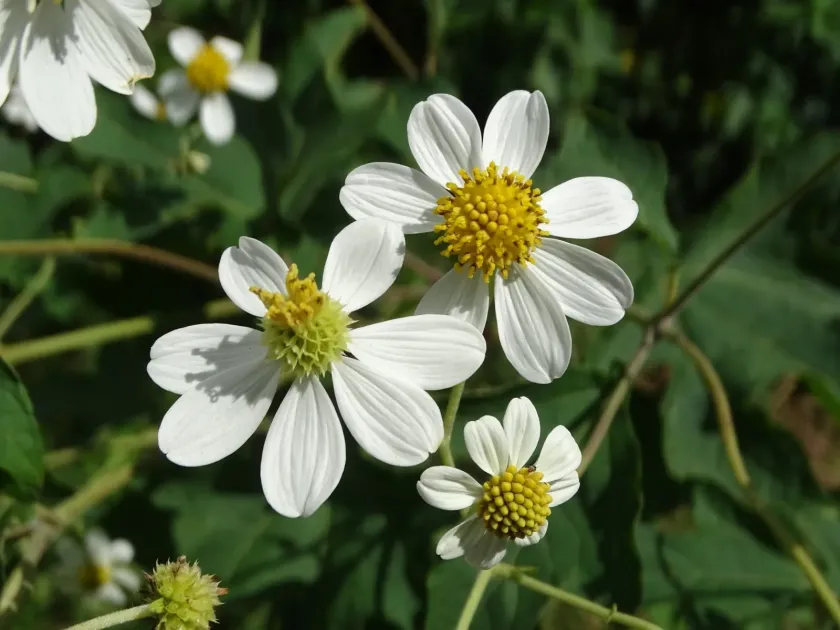
Description
Sowing dates
Montanoa hibiscifolia is typically propagated through seeds or stem cuttings within a controlled greenhouse environment. Seeds should be sown in late winter in a well-draining, nutrient-rich potting medium to ensure optimal germination success.
Maintain temperatures between 20 and 22 degrees Celsius and provide bright, indirect light to support healthy seedling development. Germination usually takes approximately three to four weeks, requiring consistent humidity during the early stages.
Once the risk of frost has passed, young plants can be transplanted into their permanent outdoor locations. It is crucial to acclimate them gradually to external conditions to prevent transplant shock and ensure robust establishment.
Vegetative propagation using semi-hardwood cuttings is an effective way to maintain genetic consistency. These cuttings should be treated with a rooting hormone and placed in a moist, sandy-peat substrate until a sufficient root system develops.
Planting density in agricultural settings must allow for adequate airflow between individual specimens. Spacing of at least 1.5 to 2 meters is recommended to prevent competition for nutrients and reduce the incidence of fungal diseases.
Growing requirements
As a member of the Asteraceae family, this species thrives in locations with full sun exposure. It is a large, fast-growing shrub that requires a substantial amount of space to reach its full potential and display its characteristic foliage.
The ideal soil profile is fertile, rich in organic matter, and slightly acidic to neutral in pH. Proper drainage is the most critical factor for success, as this plant is highly susceptible to root damage caused by waterlogged soil conditions.
Climate requirements for this plant focus on a frost-free, temperate, or subtropical environment. It performs best in temperatures ranging from 15 to 28 degrees Celsius and should be protected from harsh, desiccating winds that can break its branches.
Regular irrigation is necessary during the active growing season, especially during prolonged dry spells. However, it is essential to allow the top layer of soil to dry out slightly between waterings to maintain root health.
Pruning is a fundamental aspect of the plant's maintenance program. Regular trimming helps shape the canopy, encourages fuller growth, and removes dead wood, ensuring that the plant remains healthy and visually appealing throughout the season.
Main diseases and pests
Common pests associated with this plant include aphids and spider mites, which feed on the tender, developing parts of the plant. Early detection through regular monitoring allows for the effective use of soft-soap solutions or biological control agents.
Fungal issues, such as powdery mildew, may occur if humidity levels remain too high or if the plants are crowded together. Ensuring adequate spacing and promoting airflow are the primary methods for preventing these common outbreaks.
Root rot remains a primary concern for growers in regions with heavy, clay-based soils. If the plant shows signs of chlorosis or wilting, immediate inspection of the root zone is recommended to determine if soil amendments or drainage improvements are necessary.
Slugs and snails can also damage young shoots in wetter climates. Implementing physical barriers, such as copper tape or crushed eggshells around the base of the plant, can effectively deter these pests without relying on harsh chemicals.
To maintain plant health, all pruning tools should be disinfected before and after use to prevent the spread of diseases. If an infection is identified, the affected branches should be removed and disposed of away from the main growing area.