
Montanoa hexagona
Montanoa hexagona
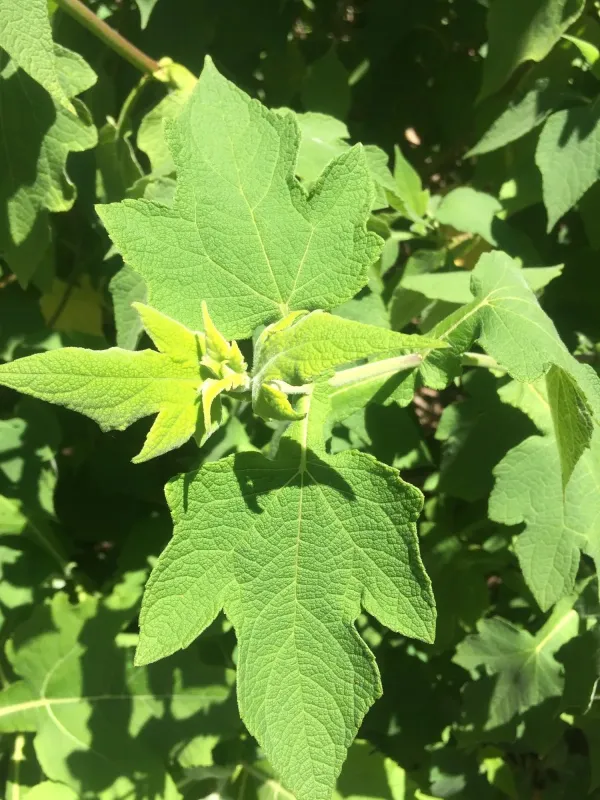
Description
Sowing dates
Montanoa hexagona is a significant member of the Asteraceae family, often recognized for its rapid growth and architectural form. Propagation is primarily achieved through seeds which are sown in late winter.
For optimal results, seeds should be sown in a well-draining, sterile potting mix. Providing bottom heat can significantly improve germination rates for this specific species.
Seedlings need to be pricked out into individual containers once they develop their first set of true leaves. This ensures that root competition is minimized during the early growth stages.
Gradual hardening off is essential before transplanting the plants to their final outdoor location. Exposure to external elements should be increased slowly over a period of two weeks.
Spacing is a crucial factor in the agricultural management of Montanoa. Due to its vigorous nature, each plant requires adequate room to spread and access resources efficiently.
Growing requirements
This crop thrives in full sun exposure but requires protection from extreme winds that could damage its stems. A location that offers morning sun and light afternoon shade is ideal in warmer climates.
Soil requirements dictate the use of fertile, well-draining loams. The plant is sensitive to waterlogging, necessitating excellent drainage systems to maintain root health throughout the year.
Climate needs are strictly tropical or subtropical. While it can withstand mild cooler temperatures, it is not frost-tolerant and requires protection when temperatures approach freezing.
Regular irrigation is necessary to maintain soil moisture, especially during the active growth phase. However, the top layer of soil should be allowed to dry slightly between watering cycles.
Balanced NPK fertilizers should be applied during the growing season to support its large biomass. Mulching with organic matter can also assist in moisture retention and soil fertility.
Main diseases and pests
Pest pressure from aphids and spider mites is common in both open-field and greenhouse conditions. These pests typically congregate on the underside of leaves and young, tender shoots.
Fungal diseases, specifically powdery mildew, may affect the plant during periods of high humidity and poor ventilation. Proper spacing and airflow are critical preventative measures.
Root rot remains the most serious threat due to over-irrigation or improper drainage. Symptoms include wilting and leaf drop, often occurring after periods of heavy precipitation.
Whiteflies can also cause significant damage by depleting plant sugars and encouraging sooty mold. Integrated pest management strategies are recommended to keep populations under control.
Sanitation practices, such as removing fallen leaves and pruning dead wood, help reduce the prevalence of pathogens. Regular monitoring is the cornerstone of healthy crop production.