
Montanoa grandiflora
Montanoa grandiflora
Description
Growing requirements
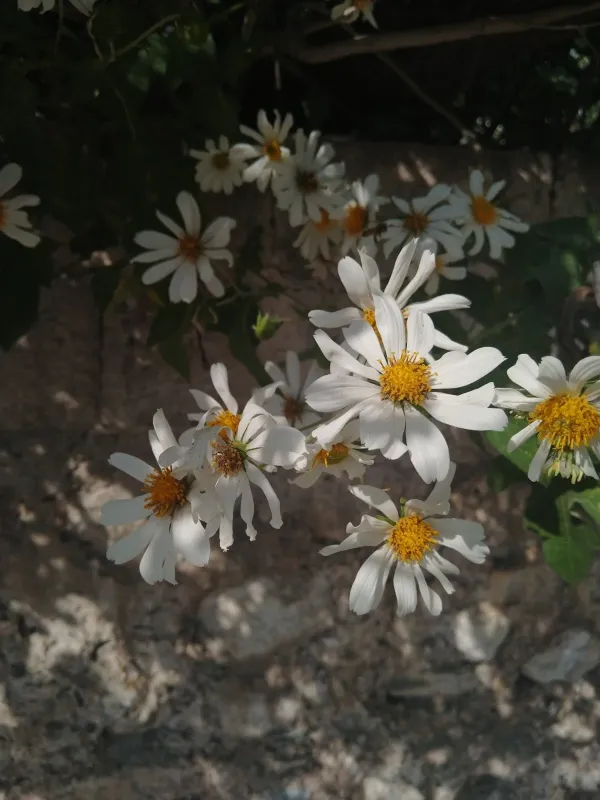
Montanoa grandiflora is a robust perennial shrub belonging to the Asteraceae family. Known for its large, daisy-like white flowers, this plant serves as a striking structural element in tropical and subtropical landscapes.
The species originates from the mountainous regions of Mexico and Central America. It is naturally adapted to high-altitude environments, where it experiences cool nights and plenty of filtered sunlight, contributing to its lush vegetative growth.
Cultivation requires well-draining soil that is rich in organic matter. While the plant can tolerate various soil textures, it is vital to avoid waterlogged conditions, which can lead to rapid root decay and plant decline.
The climate requirements emphasize a frost-free environment. Although it is relatively hardy, sustained temperatures below freezing will cause severe damage to the branches. It thrives best in zones with stable temperatures between 18 and 26 degrees Celsius.
Agronomic management includes frequent pruning to manage its vigorous nature. As a fast-growing shrub, it requires space to develop; periodic thinning of the canopy helps light penetrate the center of the bush, promoting better flowering and structural integrity.
Main diseases and pests
The primary pests affecting this crop include spider mites and whiteflies, especially when grown in protected environments or greenhouses. Integrated pest management, including the use of neem oil or biological controls, is highly effective.
Diseases are mostly related to moisture management, with root rot being the most common issue. Ensuring a loose soil structure and providing adequate airflow around the plant are the best preventative strategies against fungal pathogens.