
Montanoa bipinnatifida
Montanoa bipinnatifida
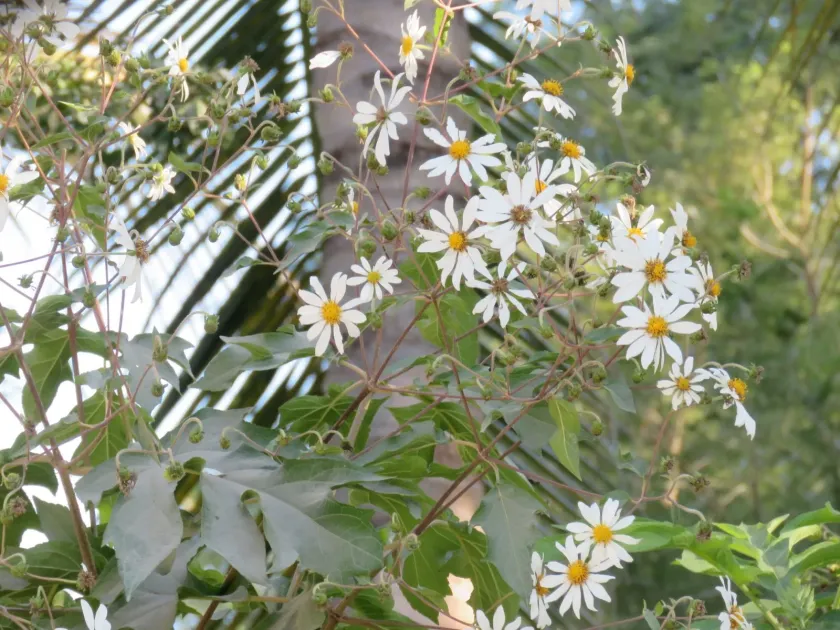
Description
Growing requirements
Montanoa bipinnatifida, commonly known as the Mexican tree daisy, is a striking member of the Asteraceae family. Originating from the highland forests of Mexico, it is widely appreciated in temperate and tropical gardens for its dramatic foliage.
The plant grows as a large, fast-growing shrub or a small tree. Its hallmark feature is the deeply divided, fern-like leaves that add an instant exotic touch to any landscape. In favorable conditions, it can reach heights of several meters within a single season.
Cultivation requires a sunny location with partial shade during the hottest parts of the day. It thrives in well-draining, nutrient-rich soil that retains some moisture. Consistent irrigation is necessary to support its large leaf structure, especially during active growth.
As a frost-tender plant, it must be protected from temperatures below freezing. In areas with cold winters, it is often treated as a container plant or grown in sheltered courtyards to prevent damage to its succulent-like stems.
Pruning is an essential part of the care routine for this species. Trimming the plant back after its autumn-winter flowering period helps maintain a manageable shape and encourages vigorous new growth in the following spring.
Main diseases and pests
Common pests affecting Montanoa include aphids and spider mites, particularly in glasshouse conditions or low-humidity environments. Regular foliage inspection and the use of insecticidal soaps are effective management strategies.
Root rot is the most significant disease risk, typically caused by waterlogged soil or poor drainage systems. Ensuring the soil is light and airy prevents these issues, allowing the roots to remain healthy and productive throughout the season.