
Guatemalan montanoa
Montanoa guatemalensis
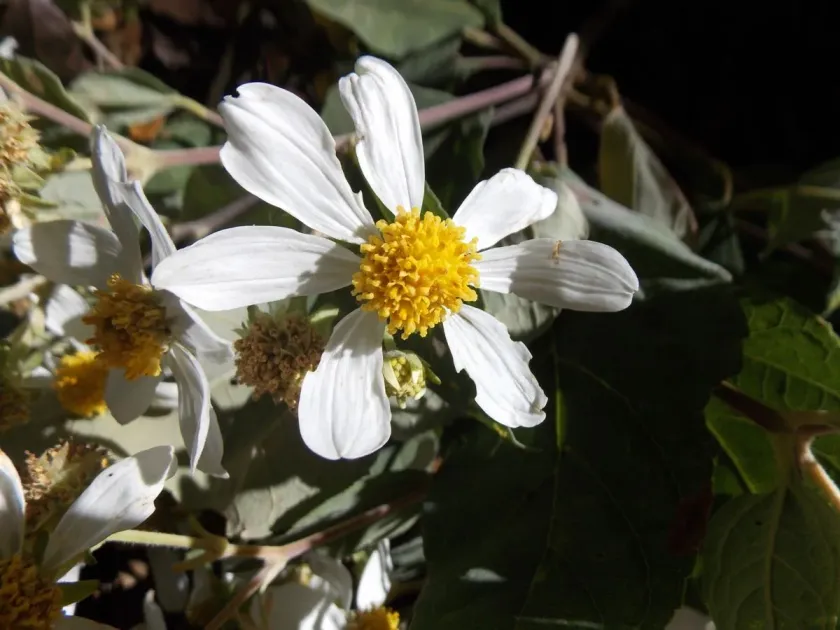
Description
Growing requirements
The Guatemalan montanoa (Montanoa guatemalensis) is a vigorous evergreen shrub or small tree belonging to the Asteraceae family. It is highly valued for its dense foliage and spectacular clusters of white, daisy-like flowers that bloom in late autumn and winter.
Native to the highlands of Central America, this plant thrives in subtropical and tropical climates. It is widely recognized for its ability to reach impressive heights rapidly, often requiring strategic pruning to maintain a desirable shape and size.
For optimal growth, it requires deep, nutrient-rich, and well-draining soil. It is adaptable to various soil types but performs best in slightly acidic to neutral environments that remain consistently moist without waterlogging.
Climate requirements include protection from heavy frost. While it can handle cool temperatures, sustained freezing weather will severely damage its growth and reproductive potential, limiting its outdoor range to milder zones.
Regarding light, it is a heliophilic species that needs full sun to partial shade. Ample light exposure is essential for maintaining a compact growth habit and ensuring a prolific floral display during its active season.
Main diseases and pests
Powdery mildew is the most common disease affecting this species, particularly in regions with high humidity or stagnant air conditions around the canopy.
Pests such as aphids and spider mites are frequent visitors. They tend to infest the tender new growth, especially during periods of water stress or environmental imbalance, requiring vigilant monitoring.
Cultural control, such as proper spacing and thinning of branches to allow airflow, is the primary method for reducing the prevalence of fungal pathogens in a cultivation setting.
In cases of severe infestation, targeted applications of horticultural oils or organic soap sprays are effective at managing pest populations without disrupting the local ecosystem.
Preventative root health management is crucial, as soil-borne pathogens can be introduced through poor irrigation practices, leading to crown rot and premature plant decline.