
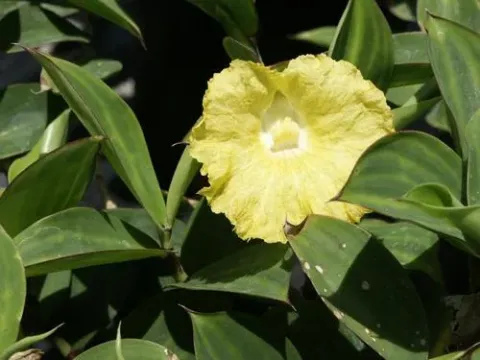
Monocostus
Monocostus
Monocostus is a monotypic genus of perennial herbs within the Costaceae family, represented primarily by the species Monocostus uniflorus. This unique plant is widely recognized by botanists for its distinct spiral stem morphology, which sets it apart from related genera like Costus.
What the section contains

Monocostus
The native distribution of this plant is restricted to the tropical rainforests of Peru. In cultivation, Monocostus requires a carefully controlled environment that mimics its natural habitat, emphasizing high humidity, consistent warm temperatures, and effective shading to prevent direct sunlight exposure.
Agricultural requirements focus on the medium. Monocostus thrives in well-draining, organic-rich soil mixes that provide sufficient aeration. Maintaining the substrate's moisture level is critical; it should remain evenly damp but never waterlogged to protect the sensitive rhizome from decay.
Proper cultivation techniques involve regular misting of the leaves to support the high humidity requirements. In a controlled greenhouse setting, providing good air circulation is also essential to reduce the risk of physiological stress and promote healthy vertical growth of the stems.
The primary use of Monocostus is ornamental and botanical. It is a highly sought-after plant for conservatory collections and specialty botanical gardens, prized for its single, terminal flowers and unique structural appearance that adds variety to tropical plant displays.
Common threats to Monocostus include fungal pathogens triggered by poor ventilation and over-watering. Rhizome rot is the most serious risk, often resulting from stagnant water accumulating in the root zone, which facilitates the rapid spread of decay-causing microorganisms.
Pests such as spider mites and mealybugs are the most prevalent threats in indoor growing conditions. These insects target the delicate new foliage, extracting sap and weakening the plant, which often leads to stunted growth and discolored leaves if left untreated.
Integrated pest management for this species focuses on early detection. Regular inspection of the undersides of leaves is recommended to identify signs of mite webbing or mealybug cottony deposits before the infestation becomes severe enough to damage the plant's structural integrity.
Disease management relies heavily on preventative cultural practices, including the use of sterilized potting media and ensuring that pots have adequate drainage holes. Avoiding overhead watering in the evenings can also help prevent moisture buildup on leaves, reducing susceptibility to fungal diseases.
Chemical intervention should be carried out with caution, utilizing products specifically labeled for delicate tropical foliage. Maintaining a healthy, stress-free plant environment remains the most effective defense against both biological threats and environmental physiological disorders.