
Monocostus uniflorus
Monocostus uniflorus
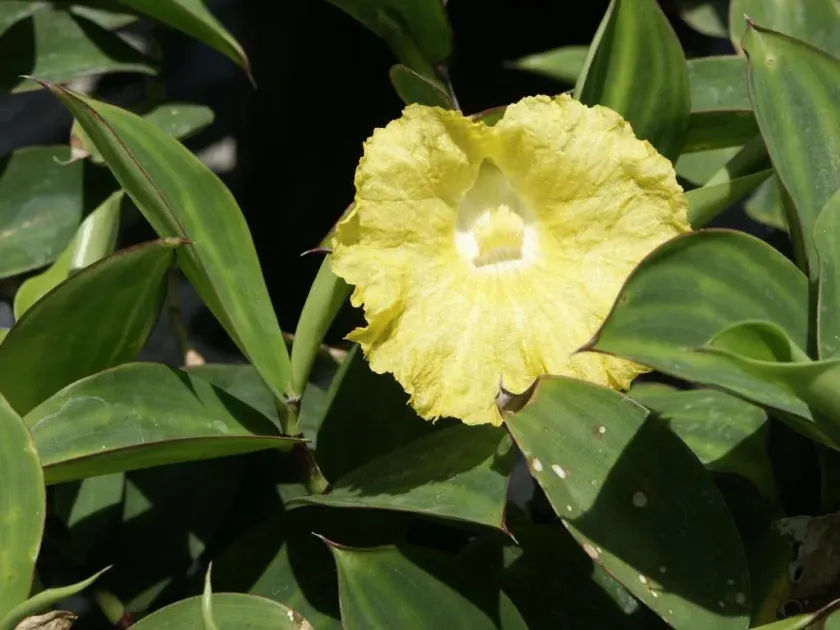
Description
Growing requirements
Monocostus uniflorus is a fascinating member of the Costaceae family, native to the humid rainforests of Peru. It is a monotypic genus, distinguished from the related Costus species by its unique floral morphology and growth habits, making it a subject of interest for both botanists and collectors.
The plant requires high humidity levels to flourish, ideally above 75 percent. In a domestic or greenhouse environment, maintaining this humidity is vital to prevent leaf desiccation and to ensure proper development of the vegetative parts.
Regarding light requirements, this species thrives in filtered light or partial shade. Exposure to intense, direct tropical sun can cause severe leaf scorching and irreversible damage to the photosynthetic tissue.
The ideal temperature range for this plant is between 22 and 28 degrees Celsius. Stability is key, as drastic fluctuations can stress the plant, leading to stunted growth or premature leaf drop during the active growing season.
A well-draining, nutrient-rich soil mix is essential. Using a substrate based on peat and perlite allows for the necessary aeration of the roots while maintaining enough moisture for the plant’s physiological processes.
Main diseases and pests
Monocostus uniflorus is susceptible to common greenhouse pests, primarily spider mites and scale insects. These pests often thrive in the same humid conditions that the plant requires, necessitating diligent monitoring.
Fungal diseases, specifically those related to root rot such as Phytophthora or Pythium, pose a significant threat if the soil medium remains waterlogged for extended periods without adequate drainage.
Another common issue is leaf spot disease caused by stagnant air and water droplets lingering on foliage in cool conditions. Improving ventilation around the plant is a critical cultural control method.
Chemical control should be approached with caution due to the plant's sensitivity. It is recommended to use diluted systemic fungicides or biological controls to avoid damaging the delicate leaf surfaces.
Integrated pest management protocols, including early detection and the use of organic deterrents like neem oil, help to maintain the health of the plant throughout the year.