
Silver wattle
Acacia dealbata Link
Description
Growing requirements
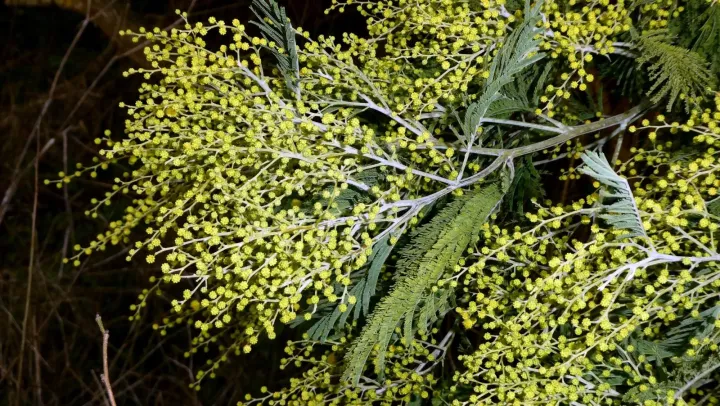
Silver wattle (Acacia dealbata Link) is a fast-growing evergreen tree or shrub belonging to the Fabaceae family. It is widely recognized for its beautiful bipinnate, glaucous-green foliage and highly fragrant bright yellow flower heads that appear in late winter and spring.
Originating from southeastern Australia and Tasmania, this species has successfully naturalized in various regions globally, including Southern Europe and parts of the Americas. It is a highly adaptable plant but performs best in climates that mirror its native environment.
The plant requires full sun exposure to flourish and maintain its compact, attractive form. While it can tolerate a variety of soil types, it is strictly sensitive to waterlogged conditions, making well-drained, slightly acidic soil a necessity for long-term health.
Climate tolerance is a limiting factor for this crop, as mature trees can typically withstand light frosts down to about -7 to -10 degrees Celsius. In colder regions, it is frequently grown in containers or protected greenhouse environments.
The economic value of this crop is significant, particularly in the production of mimosa absolute used in the fragrance industry. Additionally, it serves as an excellent soil stabilizer in hilly or eroded regions due to its aggressive root system.
Main diseases and pests
Pest management for Silver wattle primarily focuses on controlling sap-sucking insects. Aphids and scale insects are the most common adversaries, capable of causing significant damage to the plant's vigor if left untreated.
Root rot, particularly caused by Phytophthora species, is a severe threat, especially in soils with poor drainage. It often results in the sudden wilting and death of seemingly healthy trees, making site selection crucial.
Iron chlorosis is a prevalent physiological problem where leaves turn yellow due to the inability to absorb iron from alkaline or lime-rich soils. Correcting the soil pH is essential to prevent this disorder.
Fungal leaf spot diseases can affect the foliage during periods of high humidity and rainfall, which may lead to premature defoliation and a decline in the tree's overall aesthetic and photosynthetic capacity.
Integrated pest management protocols, including regular pruning for airflow and the selective application of systemic insecticides and fungicides, are recommended to maintain healthy plantations and ensure high-quality flower yields.