
Millettia zechiana
Millettia zechiana
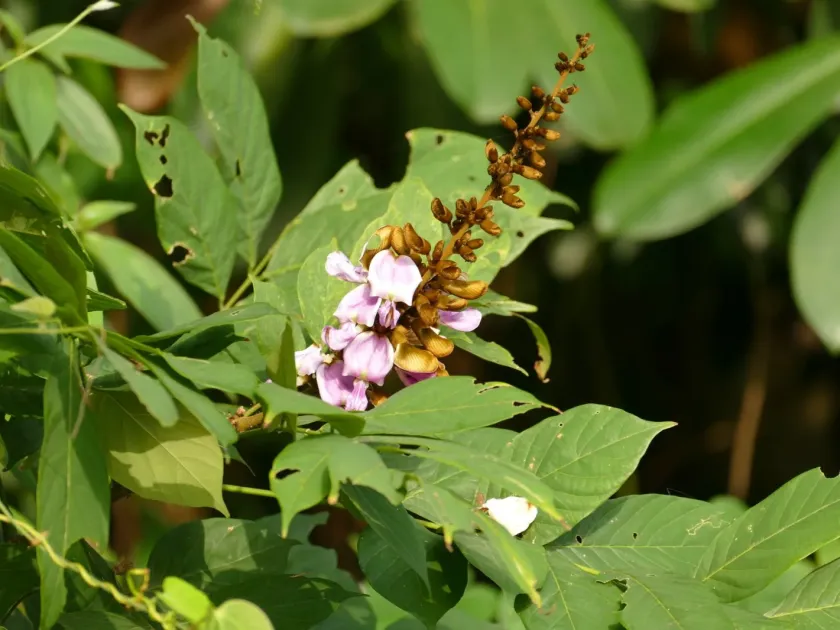
Description
Growing requirements
Millettia zechiana is a tree species belonging to the family Fabaceae. It is a prominent representative of tropical flora known for its potential in both timber production and environmental stabilization within its native range.
The species is native to the tropical regions of West Africa. It naturally thrives in environments characterized by high humidity, constant heat, and nutrient-rich forest soils, where it contributes to biodiversity.
Optimal growing conditions require deep, well-draining soils. The species is highly sensitive to waterlogging; therefore, land selection must prioritize areas with effective drainage to prevent root hypoxia and subsequent decay.
Climate requirements involve consistent tropical temperatures without significant seasonal drops. The tree requires adequate annual rainfall, although it has mechanisms to withstand minor fluctuations in moisture once established.
In terms of economic use, the timber of Millettia zechiana is highly valued for construction and fine woodworking. Beyond timber, the species is an essential component of agroforestry systems, providing shade for sensitive understory crops.
Main diseases and pests
Fungal diseases are the primary threat, especially in humid forest environments. These pathogens typically target the bark or root system, leading to structural instability if left unmanaged over long periods.
Wood-boring insects present a significant challenge, as they can tunnel into the trunk, degrading the quality of the timber. These pests often exploit stressed trees, highlighting the need for maintaining optimal growth conditions.
Competition from invasive vines and secondary vegetation can hinder the growth of younger trees. Regular weeding and site management are necessary during the early stages of establishment to ensure survival.
Environmental stress, such as extreme drought or sudden changes in light exposure due to clearing, can make the trees more susceptible to pest infestations. Monitoring the canopy for signs of thinning is recommended.
Effective management strategies include ensuring proper spacing between individuals to allow for airflow. Removing infected parts of the plant and maintaining overall stand health are critical for long-term productivity.