
Millettia dura
Millettia dura
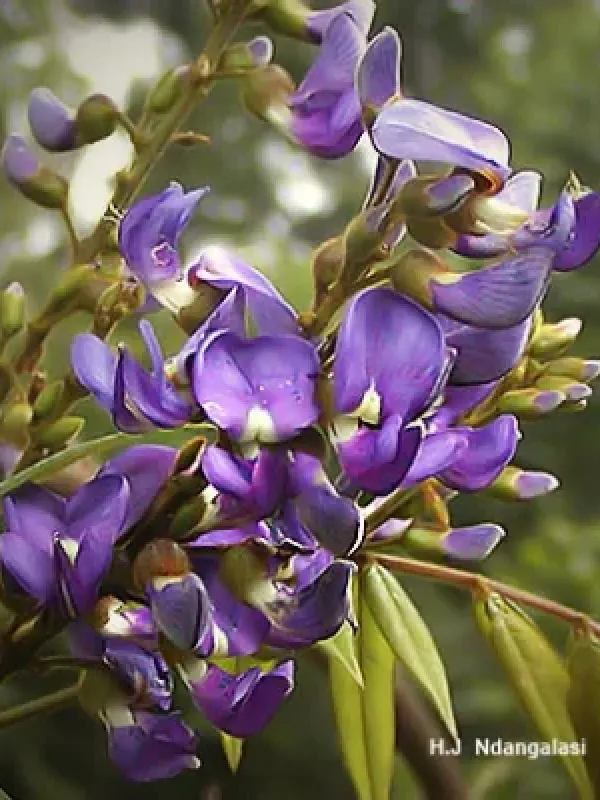
Description
Growing requirements
Millettia dura is a robust, fast-growing leguminous tree species belonging to the Fabaceae family. It is native to the tropical regions of East and Central Africa, where it plays a critical role in local ecosystems.
The tree thrives in tropical climates with moderate to high rainfall. It shows significant adaptability, successfully growing in various altitudinal zones, ranging from coastal areas up to high-altitude mountain environments.
Regarding soil requirements, Millettia dura is not overly demanding. It can establish itself in a variety of soil types, provided there is adequate drainage to prevent waterlogging, which the tree generally dislikes.
As a nitrogen-fixing plant, it is highly valued for soil enrichment and fertility improvement. Its inclusion in agroforestry systems helps support surrounding crops by providing both nitrogen and organic mulch from falling leaves.
The botanical structure consists of a straight bole and a spreading crown, making it an excellent candidate for reforestation and live fencing projects across tropical agricultural lands.
Main diseases and pests
In nursery stages, Millettia dura seedlings are susceptible to damping-off fungi if the substrate remains too moist or lacks proper aeration. Maintaining optimal moisture levels is essential for survival.
Insect defoliators can pose a challenge in young plantations, often causing significant stress to the tree during its initial growth phases. Periodic inspections are recommended during the rainy season.
Herbivory by both livestock and wild animals constitutes a primary threat to young stems and bark. Protecting young trees with physical barriers is the most effective management strategy.
Seed-boring beetles can affect the viability of harvested seeds. Storing seeds in cool, dry conditions with appropriate treatment can help maintain high germination rates for future plantings.
Root rot caused by stagnant water is a potential long-term threat. Site selection should prioritize areas that do not experience chronic flooding or water saturation during the monsoon seasons.