
Millettia ferruginea
Millettia ferruginea
Description
Growing requirements
Millettia ferruginea is a deciduous tree species belonging to the Fabaceae family, native to the Ethiopian highlands. It is widely recognized in agroforestry for its fast-growing habit and its ability to thrive at high altitudes, typically ranging from 1,500 to 2,500 meters above sea level.
The tree requires fertile, well-drained soils to establish a robust root system. It thrives in humid tropical forest zones, showing a preference for regions with annual precipitation between 1,000 and 2,000 mm, which supports its active growth cycles throughout the year.
In terms of climatic adaptability, the species is resilient but benefits significantly from stable temperatures. It is an excellent candidate for land rehabilitation projects due to its ability to tolerate various soil profiles, provided the site is not prone to waterlogging.
The biological significance of the tree lies in its symbiotic relationship with rhizobia bacteria, which allows it to fix atmospheric nitrogen. This natural process enhances soil fertility, making it an ideal companion species for coffee plantations and local subsistence crops.
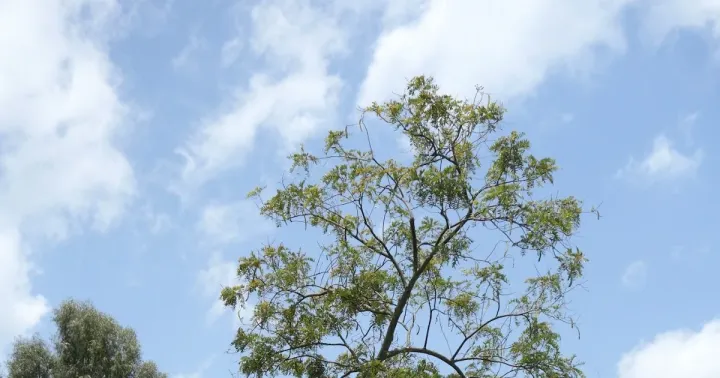
Botanically, it presents a dense canopy of compound leaves, providing essential shade and leaf litter that decomposes to release nutrients back into the soil. These features contribute to the overall resilience of the agricultural ecosystems where it is integrated.
Main diseases and pests
Pests such as wood-boring insects represent the primary biological threat to Millettia ferruginea. These pests can compromise the structural integrity of the main trunk, necessitating integrated pest management strategies to protect the long-term health of the trees.
Fungal infections can occur when environmental conditions are excessively humid or if the trees are planted with insufficient spacing. These pathogens typically target the foliage and branches, often leading to reduced growth rates and poor overall health.
Poor agricultural practices, such as improper pruning, can expose the inner wood to pathogens. It is essential to sanitize all cutting tools to prevent the transmission of diseases and to ensure that pruning is done correctly to facilitate quick healing.
Competition from aggressive weeds during the early establishment phase is a significant hurdle. Regular maintenance, including clearing the area around the base of the saplings, is required to ensure that the trees have access to sufficient light and water.
Finally, uncontrolled grazing poses a severe threat to young plantations. Young saplings are highly palatable to livestock, making the installation of physical barriers or protection from browsing animals vital for the success of any agroforestry project.