
Millettia rhodantha
Millettia rhodantha
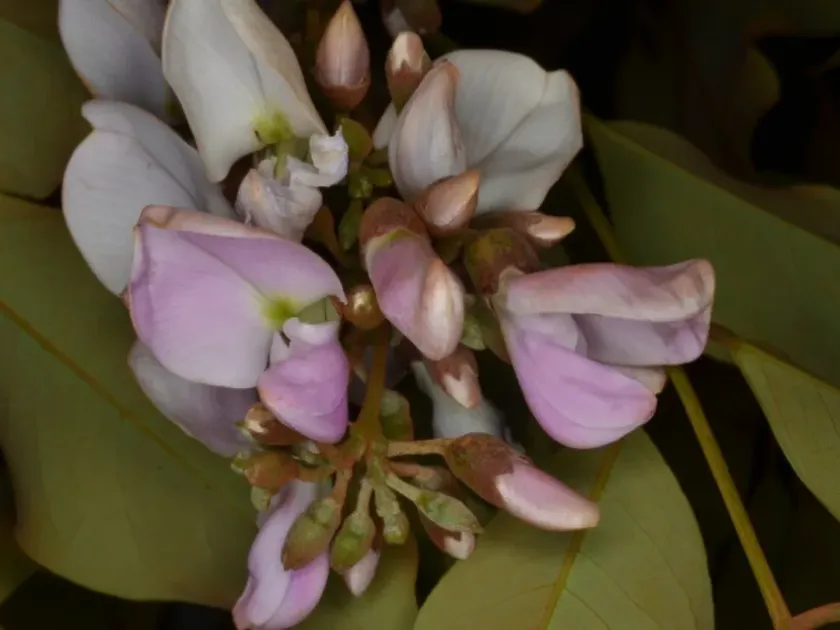
Description
Growing requirements
Millettia rhodantha is a perennial woody leguminous species belonging to the Fabaceae family. It is native to tropical regions of Africa, where it thrives in warm and humid environments with high precipitation levels.
The crop requires a tropical climate with consistent temperatures, ideally ranging between 22°C and 30°C. It is highly sensitive to frost and prolonged periods of cold, which significantly hinder its metabolic activities and overall growth rate.
For optimal development, Millettia rhodantha requires well-drained soils, preferably loamy or sandy-loam types. It performs best in soils with a pH ranging from slightly acidic to neutral, avoiding waterlogged conditions which may induce root rot.
Successful establishment depends on the presence of specific rhizobial bacteria in the soil, which enable nitrogen fixation. This ecological symbiosis allows the plant to flourish and contribute significantly to soil enrichment in nitrogen-deficient areas.
Agricultural management should prioritize maintaining soil fertility through organic amendments and ensuring adequate sunlight. Proper spacing is essential to prevent intra-crop competition for light and soil nutrients.
Harvesting
The primary economic use of Millettia rhodantha lies in its role within agroforestry systems. It is highly valued as a soil-improving species that enhances nitrogen content through natural processes and leaf litter deposition.
In addition to soil conservation, the plant provides secondary resources, including timber suitable for local construction purposes and tools. Its ability to regrow after pruning makes it a sustainable resource for rural communities.
Harvesting for seed production occurs at the end of the dry season when pods mature and turn brown. Careful handling is necessary to ensure the seeds remain viable and free from mechanical damage during extraction.
Green biomass obtained from pruning can be integrated into the soil as organic matter. This practice is vital for improving soil structure and enhancing the moisture-holding capacity of tropical farming plots.
Sustainable exploitation of this crop requires balanced harvesting intervals to allow the plant to replenish its nutrient reserves and maintain continuous biomass production for subsequent years.