
Millettia pulchra
Millettia pulchra
Description
Growing requirements
Millettia pulchra is a notable species within the Fabaceae family, originating from the tropical climates of Southeast Asia, where it thrives in diverse forest habitats.
This tree requires specific environmental conditions to reach its potential, preferring well-drained, nutrient-rich soils and a climate that remains warm throughout the year.
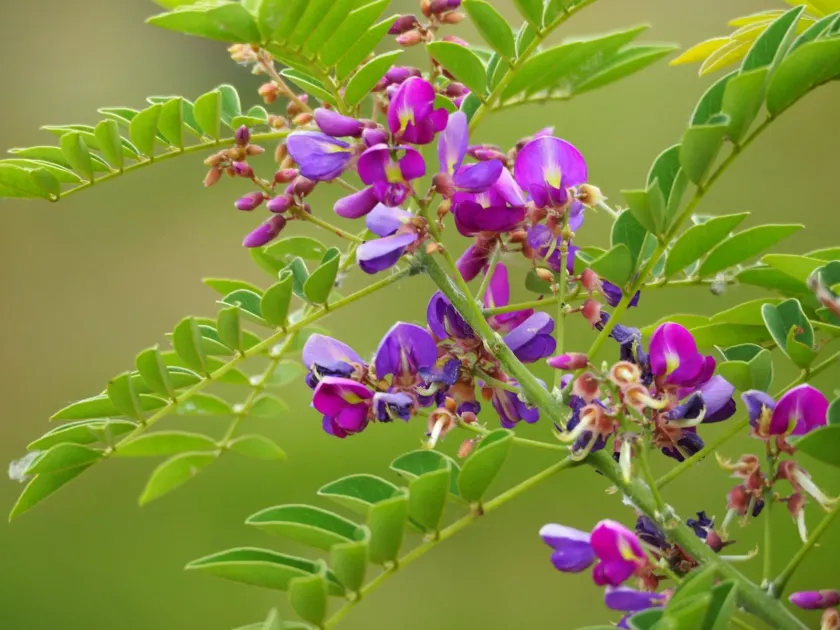
The botanical structure of the tree includes compound, pinnate leaves and striking racemes of flowers, which are highly valued for their ornamental appeal in tropical regions.
As a legume, it possesses the unique biological ability to fix atmospheric nitrogen, significantly contributing to the health of the soil and promoting growth in neighboring flora.
Proper agricultural practices include providing ample spacing for root development and ensuring regular irrigation during the early growth stages to establish a strong structural system.
Yield
The primary utility of this plant lies in landscape architecture and urban forestry, where its aesthetic qualities improve the visual character of public parks and botanical gardens.
Its timber is recognized for its durability and moderate hardness, making it a suitable material for specific small-scale woodcraft and structural landscaping components.
In rural and agroforestry contexts, it serves as a functional plant for slope stabilization, helping to prevent soil degradation through its intricate and deep root system.
The fruit of the plant is produced as pods, which are characteristic of its family, contributing to the overall ecological sustainability of the planting site.
Although not a mass-produced agricultural crop, its role in ecological balance and sustainable forestry makes it a valuable asset for environmental management projects.