
Millettia pachycarpa
Millettia pachycarpa
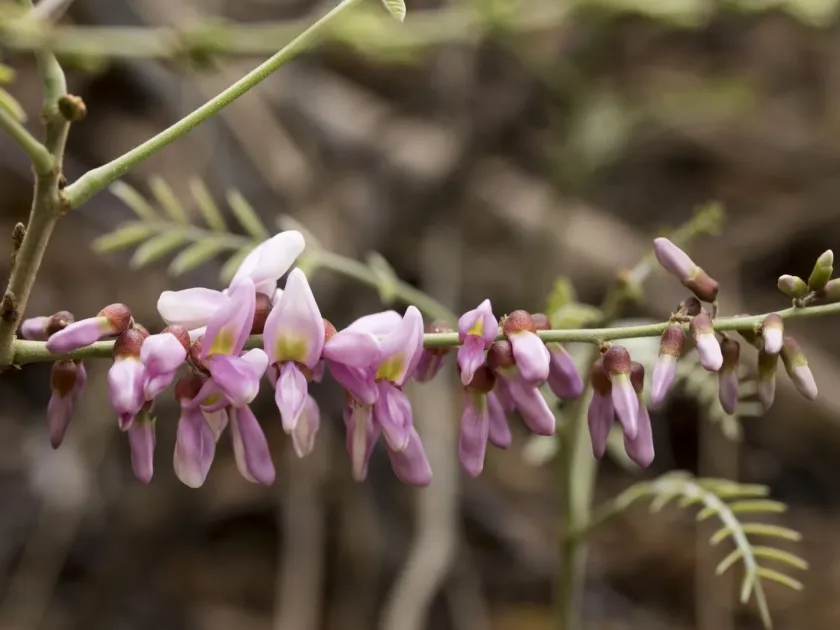
Description
Growing requirements
Millettia pachycarpa is a woody climber belonging to the Fabaceae family. Native to tropical regions of Asia, this plant is traditionally found in forest environments and riverine landscapes where humidity remains high throughout the year.
To ensure optimal growth, the species requires warm tropical conditions with consistent temperatures. The preferred soil type is fertile, well-draining loam that can sustain sufficient moisture levels without causing waterlogging, which can be detrimental to the roots.
The plant thrives in partial to full sun, although young seedlings benefit from shading until they establish a robust root system. Providing adequate physical support, such as sturdy trellises or existing trees, is essential for its climbing habit and health.
Soil nutrient management is vital; incorporating organic matter helps mirror its native environment's conditions. Regular fertilization with balanced nutrients during the peak growing season significantly improves biomass production and overall structural integrity.
Irrigation must be managed carefully, as the species is sensitive to prolonged dry spells. Consistent water supply, matched with appropriate soil aeration, is the cornerstone of successful agricultural management for this specific legume variety.
Main diseases and pests
One of the distinctive characteristics of Millettia pachycarpa is the presence of secondary metabolites, such as rotenone, within its tissues. This chemical profile acts as a natural deterrent against various herbivores and insect pests.
Despite these protective properties, the plant remains susceptible to fungal issues, particularly when cultivated in environments with poor air circulation or stagnant water. Root rot is a common concern during rainy seasons or in heavy, compacted soils.
Mitigation strategies include improving soil drainage and implementing regular pruning to maintain air flow around the foliage. Early detection of leaf spots or discoloration allows for localized management, preventing the spread of potential pathogens.
While the plant's toxicity protects it from common pests, specialized insects may occasionally colonize the vines. Integrated pest management, focusing on physical removal and biological controls, is preferred over the heavy use of synthetic chemicals.
Overall plant health is best maintained by keeping the root zone clear of weeds and avoiding mechanical damage to the main stems, which can serve as entry points for bacterial or fungal infections.