
Japanese Millettia
Millettia japonica
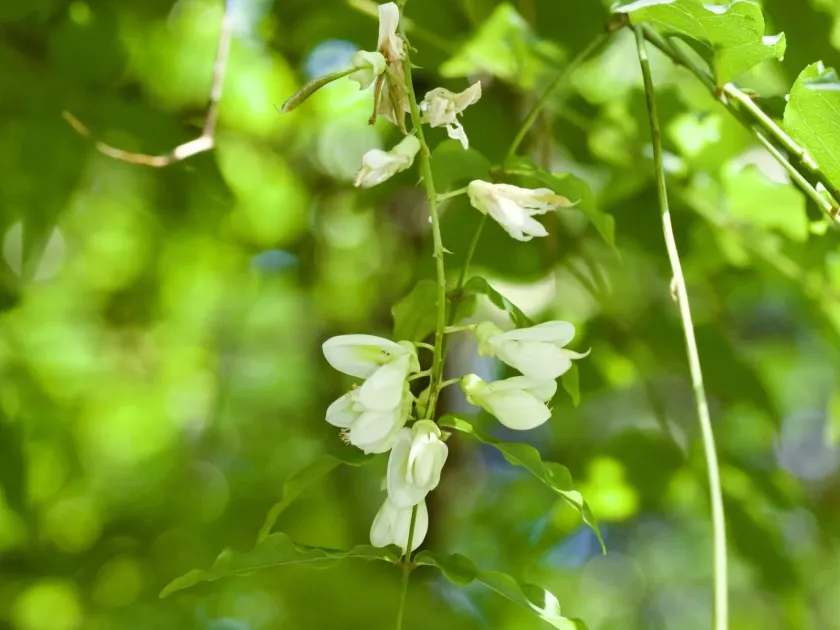
Description
Growing requirements
Japanese Millettia (Millettia japonica) is a woody perennial vine belonging to the Fabaceae family. Originating from East Asia, this climbing plant is highly valued for its vigorous growth and ability to thrive in temperate climates within its native range.
The plant thrives in positions with full sun to light shade. To ensure optimal development, it requires deep, nutrient-rich soils with excellent drainage, as the roots are sensitive to waterlogging, especially during the dormant winter months.
Cultural requirements include consistent watering during the peak growing season to support the formation of its dense foliage. Mulching the base of the plant is recommended to maintain soil moisture levels and protect the root system from extreme temperature fluctuations.
Being a climbing vine, it necessitates sturdy, permanent structures for support. In landscape architecture, it is primarily used for covering fences, pergolas, and walls, where its ability to create a thick green curtain provides both shade and aesthetic appeal.
While Japanese Millettia is relatively hardy, it benefits from shelter in colder zones to prevent damage to the flower buds during late spring frosts. Proper pruning is essential for maintaining the shape and promoting prolific flowering.
Main diseases and pests
Common phytopathological threats include powdery mildew, which can develop in periods of high humidity and poor airflow. Managing the density of the vine through selective pruning significantly mitigates this fungal risk.
Pests such as aphids and spider mites can occasionally affect the tender new growth. Integrated pest management strategies, including the use of horticultural soaps or neem oil, are typically sufficient to protect the health of the plant.