
Cicer milkvetch
Astragalus cicer L.
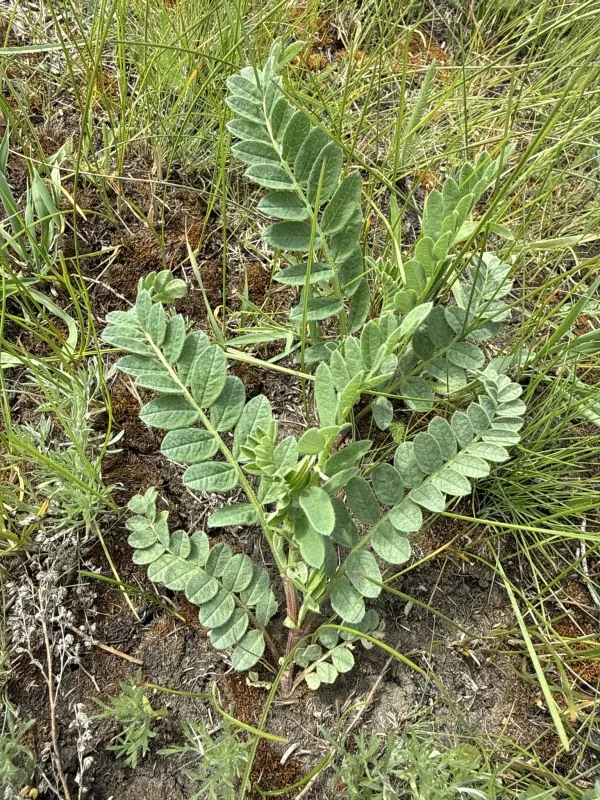
Description
Sowing dates
Cicer milkvetch (Astragalus cicer L.) is a long-lived perennial legume valued for its persistence and adaptability. Unlike many other legumes, it establishes a deep root system, allowing it to withstand harsh environmental conditions while providing consistent yields over many years.
The optimal time for seeding is early spring when the soil is workable and retains sufficient moisture. Due to the hard seed coat, scarification is a crucial pre-sowing step to ensure uniform and rapid germination, significantly improving the establishment success rate.
Sowing depth is generally recommended between 1 to 3 centimeters, depending on the soil texture. Packing the soil after planting is essential to provide good seed-to-soil contact, which is vital for moisture uptake and successful germination in the field environment.
The seedling growth phase is relatively slow compared to other legumes, which makes early weed control essential. Providing an environment free from severe weed competition during the first year allows the crop to develop the vigor necessary for long-term survival.
Once established, the plant spreads through rhizomes, creating a dense canopy that effectively suppresses weed growth in subsequent years. Proper management during the first year of life ensures a thick, productive stand that can last for two decades or more.
Growing requirements
This crop is highly winter-hardy and can thrive in regions with severe temperatures. It is notably resistant to frost and recovers rapidly in the spring, making it an excellent choice for northern climates and high-altitude grazing areas where other legumes might fail.
Cicer milkvetch is adaptable to various soil types, ranging from sandy loams to heavy clays. It performs best in fertile, well-drained soils with a neutral pH, although it shows a remarkable tolerance to slightly saline or alkaline soil conditions.
A key requirement for this plant is adequate sunlight; it does not perform well in shaded conditions. It should be planted in open areas to ensure maximum photosynthetic activity, which supports its high biomass production throughout the growing season.
The plant is highly drought-tolerant, utilizing its deep root system to access water deep within the soil profile. This characteristic allows it to maintain productivity during dry summers, providing a stable source of forage when other pastures start to wilt.
Soil nutrient management focuses primarily on phosphorus and potassium to maintain root health and vigor. While it is a legume and fixes its own nitrogen, occasional soil testing helps ensure that essential nutrients are not limiting its potential.
Yield
Cicer milkvetch is highly regarded as a high-quality forage crop that provides nutritious grazing and hay. A major advantage of this species is that it is non-bloating, which makes it much safer for cattle and sheep than alfalfa or clover.
Biomass production is substantial, with the potential for multiple cuts throughout the season. The forage is rich in protein and highly palatable to livestock, making it a sustainable choice for operations looking to reduce supplement costs in livestock diets.
Beyond its feed value, the crop is an excellent choice for soil conservation and erosion control. Its extensive rhizomatous root system stabilizes soil on slopes and disturbed areas, making it a valuable tool for land reclamation and watershed management.
Seed yield can be variable and is highly dependent on the presence of local pollinators. Managing fields to support native bees and honeybees during the flowering period is a proven strategy to increase overall seed production for farm use.
The forage quality remains high even when plants are harvested at later stages, offering flexibility for management. This makes it easier for producers to coordinate harvesting with weather conditions compared to other more sensitive forage species.
Main diseases and pests
While generally hardy, Cicer milkvetch can be susceptible to fungal diseases like powdery mildew or various leaf spots during prolonged periods of high humidity. Maintaining good stand density and airflow helps mitigate the development of these pathogens.
Pests such as weevils and other insects that feed on the reproductive parts of the plant can impact seed production. Integrated pest management, including monitoring and timed applications of insecticides, can protect seed harvests when pressure is high.
Weed competition during the seedling stage is the most significant biological threat to establishing a healthy stand. Using clean seed and pre-plant soil preparation is essential to prevent perennial weeds from gaining a foothold in the field.
The plant is relatively resistant to many common diseases, but poor drainage can lead to root rot. Avoiding waterlogged soils is the best defense against soil-borne pathogens that might otherwise weaken the longevity of the perennial stand.
Regular field scouting helps detect early signs of stress or infestation, allowing for timely intervention. By maintaining high plant vigor through correct management, the crop can naturally outcompete many pressures that affect less hardy legumes.
Harvesting
Harvesting for hay is best achieved at the onset of flowering when nutritional value, particularly protein content, is at its peak. Cutting at this stage provides a high-quality winter feed that supports livestock health during colder months.
For silage or haylage, harvesting can be delayed slightly, providing higher bulk while still maintaining acceptable digestibility. These methods are common in intensive systems where maximizing total dry matter production is the primary goal of the operation.
Harvesting seeds requires careful monitoring of the seed pods. Because pods may drop or shatter as they mature, swathing followed by combine harvesting is often preferred to reduce field losses and ensure a higher recovery of the seed crop.
Post-harvest handling is critical, as seeds should be dried to a moisture content of 12-14% to prevent molding during storage. Storing seeds in a cool, dry environment maintains high germination rates for future seeding cycles.
Proper combine adjustment during seed harvest is vital to minimize damage to the seed coat. By adjusting the fan speed and cylinder settings, farmers can successfully harvest a clean, viable batch of seeds for expanding their Cicer milkvetch acreage.