
Chickpea milkvetch
Astragalus boeticus L.
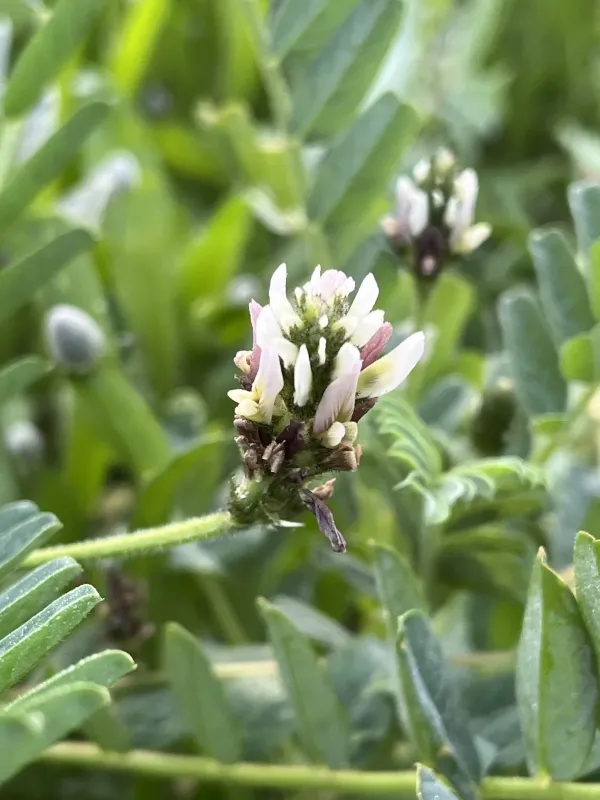
Description
Sowing dates
Chickpea milkvetch is an annual legume that thrives when planted in the spring as soil temperatures reach approximately 10-12 degrees Celsius. It requires a well-prepared seedbed to ensure optimal germination rates.
The recommended planting density involves rows spaced about 30 to 45 centimeters apart. This spacing allows for proper airflow and prevents the overcrowding that can often lead to fungal disease development.
Seeds should be sown at a depth of 2 to 3 centimeters. Scarification of the seeds is highly recommended prior to planting to break the dormancy of the seed coat and ensure rapid, uniform field emergence.
Proper soil moisture during the sowing phase is vital. If the spring is particularly dry, irrigation may be necessary to facilitate the initial germination process and establish a strong root system.
Crop rotation practices should be strictly followed, ensuring that the field has not been occupied by other legumes in the previous seasons to prevent the buildup of soil-borne pathogens.
Growing requirements
This crop prefers sunny locations and performs best in light, well-drained, lime-rich soils. It is recognized for its remarkable drought tolerance, which makes it suitable for semi-arid environments.
The plant is highly sensitive to waterlogged conditions. Poor drainage will quickly result in root decay and stunted growth; therefore, selecting fields with a slight slope or sandy loam texture is crucial.
While the plant is relatively undemanding regarding fertility, applying moderate levels of phosphorus and potassium can enhance the development of seeds, which is the primary objective of cultivation.
The soil pH should ideally range from neutral to slightly alkaline. Acidic soils must be treated with lime to improve conditions for the nitrogen-fixing bacteria that live in symbiosis with the roots.
A long, warm growing season is essential for the maturation of the pods. Excessive heat during the flowering stage should be balanced by adequate soil moisture to ensure the formation of high-quality seeds.
Yield
The main commercial value of Astragalus boeticus lies in its seeds. Historically, these seeds have been roasted and ground to create a caffeine-free coffee substitute, known for its mild and nutty profile.
The plant can also be utilized for forage purposes. Its biomass is nutritious, and livestock readily consume it if the harvest is performed before the plants become overly lignified or woody.
Yield consistency depends heavily on environmental conditions during the reproductive stage. Proper management of field weeds is necessary to prevent competition for sunlight and essential soil nutrients.
Economic success is often found in niche markets, particularly those focused on healthy, caffeine-free alternatives. Post-harvest processing, such as careful roasting, is key to product quality.
Farmers can achieve sustainable yields by ensuring the crop is harvested at the peak of maturity, preventing loss through pod shattering while maintaining high seed weight and oil composition.
Main diseases and pests
Weevils represent the most significant pest threat to this crop. They target the developing pods and can severely reduce the final yield by consuming the seeds within the shells.
Fungal diseases, including powdery mildew, can appear during periods of high humidity. Maintaining proper field hygiene and ensuring adequate ventilation between rows are the primary defense strategies.
Root rot is a common issue when the plant is grown in overly heavy or saturated soils. Avoiding excessive irrigation and selecting elevated plots can mitigate this risk significantly.
Aphids may infest young stems during prolonged droughts, causing stress to the plant. If populations become high, approved biological control methods or selective pesticides should be employed.
Implementing a rigorous multi-year crop rotation cycle is the best preventative measure against the accumulation of pests and diseases that are specific to leguminous crops.
Harvesting
Harvesting should be timed when the pods have turned dark and fully matured. It is imperative to complete the harvest before the pods dry out too much to avoid natural dehiscence and seed loss.
Mechanical harvesting with combine harvesters is possible, provided the machinery is correctly calibrated. Gentle threshing is required to prevent cracking the seeds, which degrades their culinary value.
Once harvested, the seeds require thorough drying to reduce moisture levels to approximately 12-14 percent. This ensures long-term storage stability and prevents mold growth in silos.
After cleaning and sorting, the seeds are ready for industrial processing. The roasting process is carefully controlled to bring out the distinctive aroma and flavor characteristic of the product.
For those harvesting for forage, the optimal time is just as the first pods begin to form. This stage offers the best balance between biomass quantity and nutritional content for livestock.