
Woolly-flowered milkvetch
Astragalus dasyanthus Pall.
Description
Sowing dates
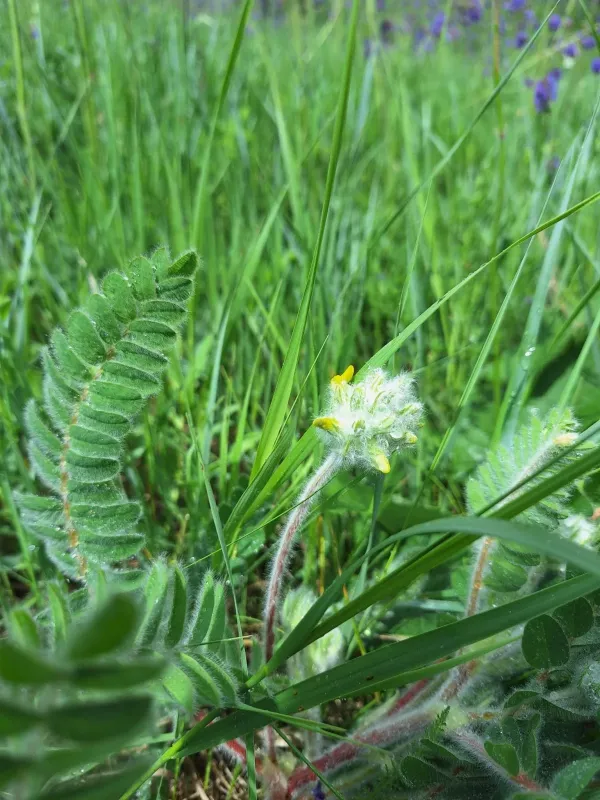
Woolly-flowered milkvetch (Astragalus dasyanthus Pall.) is a perennial herbaceous plant belonging to the Fabaceae family, recognized for its medicinal potential. Seeds are typically sown in early spring or late autumn to allow natural stratification and improve germination rates.
The seeds possess a hard coat, making scarification a common pre-sowing practice to ensure uniform field emergence. A seeding depth of 1.5–2 cm is ideal, allowing the seedling enough energy to reach the surface while ensuring a stable root foundation.
During the first year, the crop focuses on establishing a deep taproot and a rosette of leaves, which requires careful management of competing weeds. Consistent row spacing is essential to facilitate mechanical cultivation and ensure the crop has enough space to thrive.
As a resilient plant, it adapts well to various climatic conditions, though it performs best in regions with sufficient sunlight. Once established, the root system is capable of surviving harsh winters, returning with vigor in the following spring.
Successful plantation establishment relies on good seedbed preparation and adequate soil moisture. Once established, the crop serves as a long-term resource for both secondary pharmaceutical metabolites and fodder production in arid regions.
Growing requirements
This crop thrives in well-drained chernozem or sandy loam soils. It is particularly sensitive to waterlogging, which can cause root rot; therefore, selecting slightly elevated sites with excellent drainage is crucial for plant longevity.
Astragalus dasyanthus prefers sunny, open environments, as light is a critical factor in the accumulation of active substances like flavonoids and saponins. Shaded areas should be avoided to ensure high-quality yields for the medical industry.
While the plant benefits from phosphorus and potassium fertilization, it requires minimal nitrogen input because it is a legume. Through its symbiotic relationship with rhizobia bacteria, the plant effectively fixes atmospheric nitrogen to meet its needs.
The soil pH should be maintained in the neutral range for optimal nutrient availability. Regular soil testing and adjustment of acidity through liming may be necessary if the soil falls outside the preferred range for leguminous growth.
Improved soil aeration is vital for root health, which can be achieved through regular inter-row cultivation. Beyond its economic value, the plant acts as a soil improver, with its deep roots enhancing soil structure and preventing erosion.
Main diseases and pests
The main pests affecting milkvetch include weevils and aphids, which target flower buds and developing seed pods. These pests can significantly reduce seed yields if not monitored and managed during the critical flowering stage.
Fungal diseases, such as leaf spots and root rots, are often associated with high humidity or poor ventilation in thick stands. Implementing crop rotation and maintaining proper plant density are the best preventative measures against these issues.
Integrated pest management, including the use of bio-friendly pesticides, is recommended to protect the crop without compromising its medicinal quality. Regular monitoring allows for early detection of potential threats before they escalate.
Weed control is paramount during the establishment phase, as weeds can act as vectors for disease and compete for essential nutrients. Mechanical weeding is generally preferred over chemical alternatives in organic-focused systems.
Proper crop rotation is essential; the field should not be replanted with Astragalus or other legumes for several years to break the lifecycle of specific pathogens. A clean field environment leads to a more productive and healthy crop.
Harvesting
Harvesting the aerial parts of the plant occurs during the peak flowering phase, as this is when the concentration of medicinally active compounds is at its highest. This timing is critical for meeting market quality standards.
The plants are mown in dry weather, ensuring that the crown of the plant is not damaged, which allows for regeneration in subsequent seasons. Immediate processing after harvesting prevents the degradation of delicate active ingredients.
Drying is performed in shaded, well-ventilated areas or specialized industrial driers set to 40–50 degrees Celsius. Excessive heat or direct sunlight during the drying process will result in discolored leaves and lost efficacy.
Seed harvesting should be timed carefully when the pods turn brown and reach maturity. As the pods can shatter easily, timely collection is necessary to minimize harvest losses and secure future planting material.
Post-harvest seed processing includes cleaning, grading, and storage in a cool, dry environment to maintain high germination capacity. These steps ensure that the seed stock remains viable for future seasonal requirements.