
Miliusa sclerocarpa
Miliusa sclerocarpa
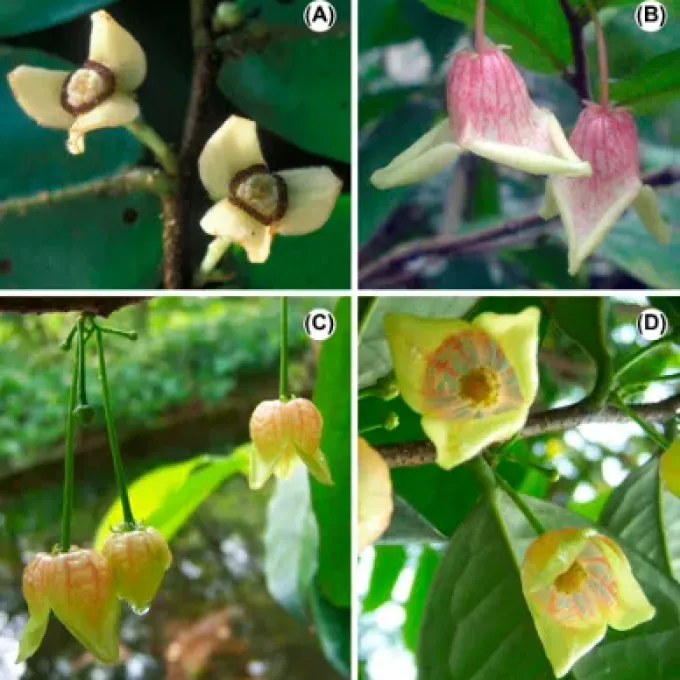
Description
Sowing dates
Miliusa sclerocarpa is a distinct member of the Annonaceae family, native to the forest regions of the Indian subcontinent.
Successful propagation from seeds requires specialized stratification techniques to overcome dormancy and ensure uniform germination across the batch.
The sowing process involves utilizing a sterile, well-draining potting medium to prevent fungal infections that commonly affect seeds of this genus.
Seedlings are kept in high-humidity chambers with constant temperature monitoring, mimicking the natural conditions of their native habitat.
Propagation via vegetative methods, such as air layering or cuttings, is also practiced to maintain the genetic purity of superior tree specimens.
Growing requirements
This crop thrives in tropical climatic conditions characterized by consistent warmth and distinct seasonal variations in humidity.
Soil requirements include deep, well-draining loamy textures rich in organic matter to support the rapid development of its woody structure.
Regular irrigation is essential, especially during the growth phase, though the crop is susceptible to root rot if drainage is insufficient.
Partial shade is necessary for young specimens to protect their leaves from intense tropical sunlight during the early years of development.
Soil nutrient levels should be maintained through balanced fertilization, ensuring micronutrient availability for consistent plant vigor.
Main diseases and pests
- Root rot caused by Phytophthora species due to excessive soil moisture.
- Defoliating insects that target young, soft leaves during the wet season.
- Fungal leaf spots that thrive in humid, stagnant airflow conditions.
- Nematode infestations affecting root health in sandy soil compositions.
- Stem borers that can weaken the structural integrity of mature trees.
Harvesting
The harvest focuses on the collection of mature fruits which serve as the primary source of plant-derived biochemical compounds.
Harvesting is a manual operation timed carefully to the period of fruit maturity to ensure maximum concentration of secondary metabolites.
Post-harvest handling involves gentle cleaning and stabilization to prevent rapid deterioration of the harvested botanical material.
The commercial extraction of these compounds requires advanced biochemical processing facilities to ensure high product purity and quality.
Due to its niche application in the pharmaceutical sector, yield optimization remains a key focus for researchers working with Miliusa sclerocarpa.