
Miliusa brahei
Miliusa brahei
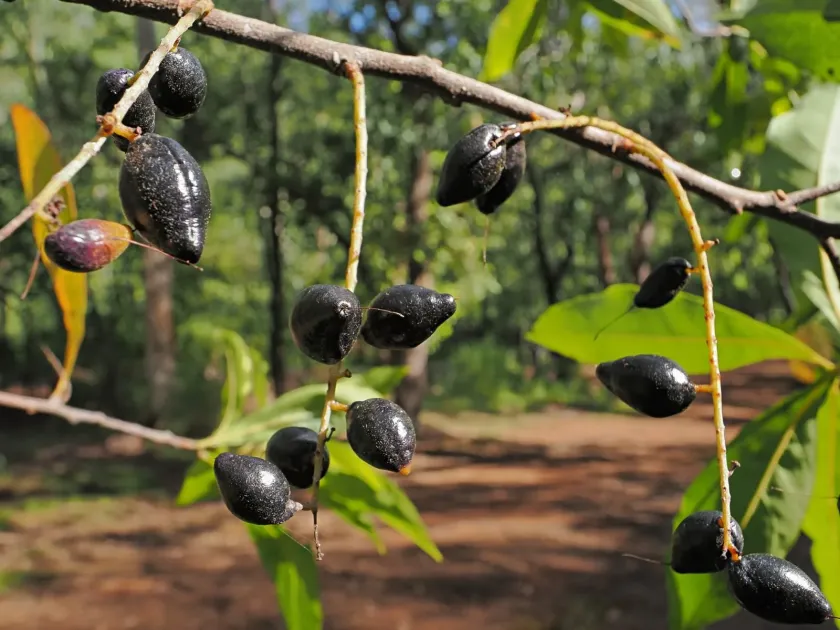
Description
Growing requirements
Miliusa brahei is a member of the Annonaceae family, native to the tropical forests of Australia. This woody plant species is characterized by its specific architectural growth pattern, which is typical for members of its genus found in warm, humid regions.
The culture requires a tropical climate to thrive, maintaining temperatures consistently between 22°C and 30°C. It is highly intolerant of frost, and even brief exposures to temperatures near freezing can cause irreversible damage to the young shoots and leaves.
Ideal soil for Miliusa brahei must be fertile, well-draining, and rich in organic matter to support the plant's metabolic needs. A pH-balanced environment is essential for effective nutrient uptake, preventing deficiencies that could affect foliage development.
Water management is critical for this crop, as it demands high soil moisture without allowing waterlogging, which promotes root rot. Consistent moisture levels, coupled with high atmospheric humidity, are necessary for the plant to exhibit healthy, vigorous growth.
Cultural maintenance involves periodic fertilization with balanced NPK formulas during the growing season. Pruning is recommended to manage the canopy density and promote structural integrity, ensuring that the plant remains healthy and resistant to physiological stress.
Harvesting
Miliusa brahei is primarily used for botanical study and as a decorative specimen in tropical landscape design. Its economic impact is currently niche, focusing on specialty nursery trade and conservation collections in botanical gardens.
Harvesting seeds requires careful monitoring of fruit development to ensure high viability. Only when the fruits show distinct markers of physiological maturity are they harvested to secure the highest quality seed stock for future nursery use.
Precise handling during harvest prevents damage to the delicate outer tissues of the branches. Using specialized sterile equipment for picking minimizes the risk of introducing pathogens into the plant's vascular system, which could otherwise lead to disease outbreaks.
Post-harvest processing involves the gentle removal of pulp and thorough drying of the seeds under controlled conditions. This ensures the seeds reach the appropriate moisture content for dormancy maintenance before they are packaged for storage or distribution.
Proper storage is the final step in the harvest cycle, where seeds are kept in a cool, ventilated environment. This protects the germination potential and ensures that the next generation of crops meets the required agronomic standards for vitality and genetic purity.