
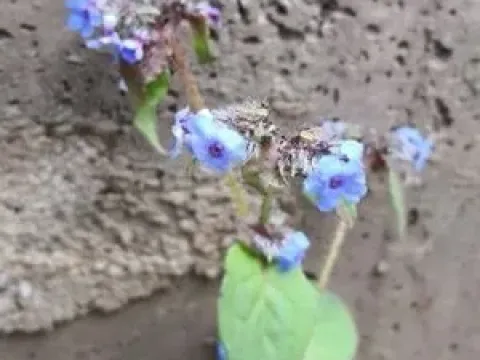
Microula
Microula
Microula is a member of the Boraginaceae family, primarily native to high-altitude regions such as the Tibetan Plateau, where it has evolved to thrive in harsh environments.
What the section contains

Microula
Sowing should be performed in early spring once the soil temperature is consistently above freezing to ensure steady and uniform germination.
The optimal soil choice includes light, well-draining substrates, as the root system of Microula is highly sensitive to waterlogging during the establishment phase.
Seeds are sown at a shallow depth of approximately 1 to 2 centimeters to provide sufficient light exposure, which aids in the triggering of early development.
Given its unique lipid composition, researchers are increasingly interested in cultivating this plant as a sustainable source of specific essential fatty acids.
The crop requires a cool, temperate climate with adequate light levels to support the complex metabolic processes involved in seed oil production.
Soil requirements focus on neutral to slightly alkaline pH levels, reflecting the natural mineral richness found in its native mountain habitats.
Effective air circulation around the plants is essential, which is why moderate planting density is recommended to avoid microclimate-related moisture buildup.
Microula demonstrates impressive cold tolerance, making it a potentially valuable niche crop for regions with short, intense growing seasons.
Water management is critical; while consistent moisture is needed for growth, the soil must never remain saturated for extended periods.
Fungal infections are the most significant threat to Microula, particularly those that thrive in the cool, damp conditions favored by the plant itself.
Root rot pathogens can decimate a crop in its early stages if drainage is not properly managed or if the field was previously occupied by susceptible host species.
Pests such as beetles and various leaf-feeding insects may target the foliage, causing damage that stunts plant vigor and overall grain yield.
Integrated Pest Management (IPM) strategies are highly recommended, focusing on preventative measures and biological control before turning to chemical solutions.
Regular monitoring of field conditions is essential to detect early symptoms of mildew or rusts that could compromise harvest viability.
Harvesting Microula is a delicate process that requires identifying the exact window of physiological maturity to maximize oil quality and yield volume.
The crop must be harvested promptly as the seeds reach full maturity to prevent significant losses due to natural shattering and shedding.
Post-harvest treatment involves drying the harvested material in well-ventilated areas to lower seed moisture content to safe storage levels.
Mechanical harvesting requires precise equipment settings, such as adjusting the thresher speed to ensure that the delicate seed coats remain intact.
Post-processing includes specialized cleaning and winnowing to remove chaff and organic debris, ensuring a high-purity product for industrial use.