
Mertensia ciliata
Mertensia ciliata
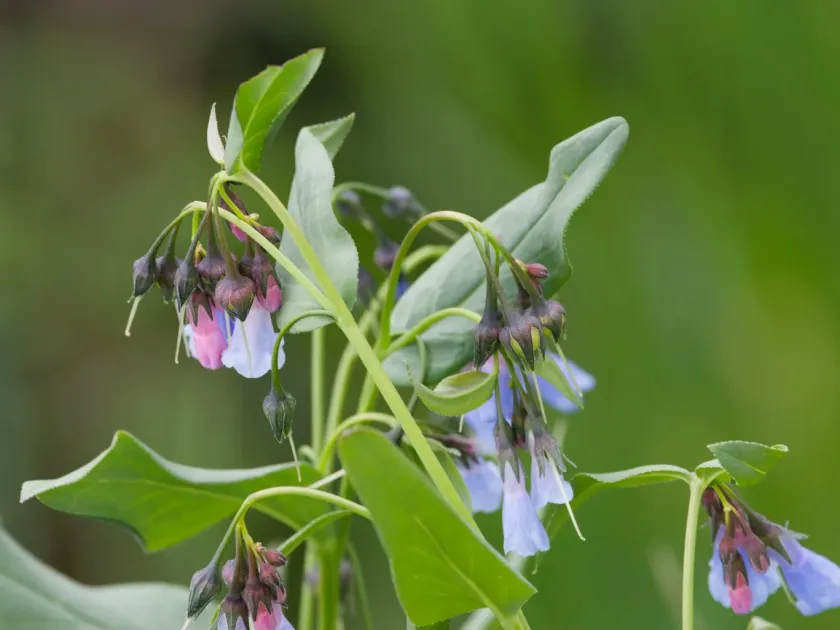
Description
Sowing dates
Sowing seeds of Mertensia ciliata requires a period of cold stratification to break dormancy, which is best achieved by sowing them in late autumn.
If you prefer sowing in spring, you must place the seeds in a moist medium in a refrigerator for at least six weeks before the actual planting process.
The seeds are relatively small and should be sown on the surface of a light, well-draining seed-starting mix, barely covering them with a thin layer of grit.
Germination is typically successful when temperatures are kept cool, mimicking the natural early spring climate of their native mountainous regions.
Care should be taken to keep the medium consistently moist but not waterlogged during the germination period to avoid seed decay.
Growing requirements
Mertensia ciliata is a member of the Boraginaceae family, widely known as fringed bluebells, and is native to the meadows of Western North America.
This species thrives in cool, moist soil conditions, making it an excellent choice for woodland gardens, stream banks, or shady borders.
It prefers deep, fertile, organic-rich soil that mimics the texture and moisture content of its native subalpine habitat.
Direct sun should be avoided in warmer climates, as intense heat and bright sunlight quickly lead to dehydration and scorched foliage.
The plant is highly hardy and can withstand severe winter frosts, emerging vigorously as soon as the ground begins to thaw in spring.
Yield
While primarily grown for ornamental purposes, the plant produces abundant, sky-blue, bell-shaped flowers on stems reaching up to 60–90 cm.
Mature clumps can expand over several years, providing a dense cover of foliage that suppresses weeds in cool, shady garden areas.
In optimal conditions, the plant is quite productive in terms of self-seeding, allowing for a naturalistic spread throughout a suitable garden patch.
The floral display usually lasts for several weeks, providing significant aesthetic value compared to other early-season shade perennials.
Seed production is generally reliable if the plants are not overly stressed by heat or drought during the crucial blooming and ripening phases.
Main diseases and pests
Root rot is the most serious threat to this plant, often caused by heavy, waterlogged clay soils that lack sufficient drainage.
Fungal diseases like powdery mildew may appear on the foliage if air circulation is poor or if the plants are stressed by extreme humidity.
Slugs and snails are notorious for causing significant leaf damage, especially during the spring when the new, tender shoots are emerging.
Aphids might cluster on the delicate flower stalks, potentially stunting growth and affecting the overall aesthetic of the bluebell display.
Regular monitoring and physical barriers are recommended to protect the plants from common garden pests during the peak growth season.