
Mertensia campanulata
Mertensia campanulata
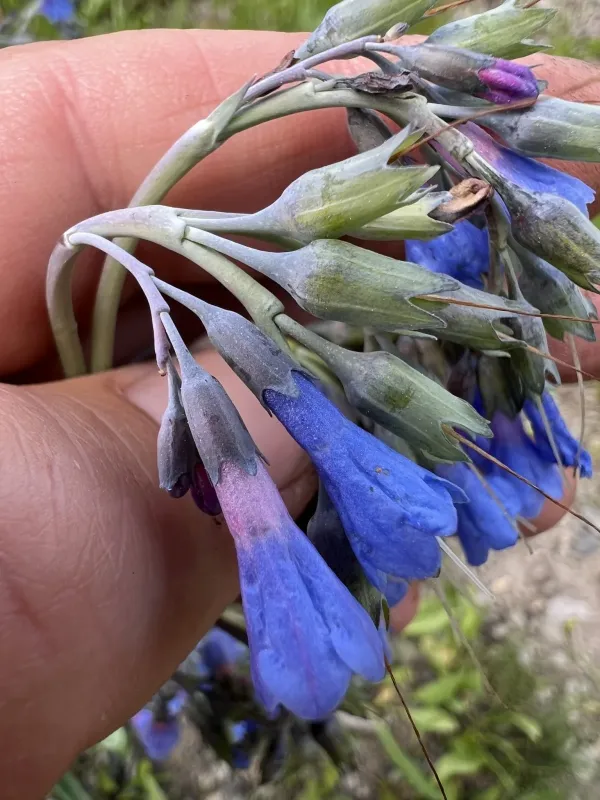
Description
Growing requirements
Mertensia campanulata is a herbaceous perennial plant belonging to the Boraginaceae family. This species is distinguished by its unique bell-shaped flowers and its preference for moist, sheltered environments, which are typical of its natural habitat in temperate forest regions.
The cultural requirements of this plant focus on soil quality, as it thrives in organic-rich, well-draining soils that maintain consistent moisture levels without becoming waterlogged. High humus content is beneficial for optimal vegetative development.
Climatic conditions for Mertensia campanulata should simulate woodland edges. The plant requires partial shade or dappled sunlight to protect its foliage from intense thermal stress, which can cause dehydration and necrosis of the leaf blades.
Maintenance and agronomy involve regular mulching, which serves a dual purpose: preserving ground moisture and keeping the root zone cool during warmer months. Fertilization should be mild, preferably using compost or slow-release organic fertilizers in early spring.
Economically and horticulturally, this plant is used primarily for ornamental purposes. It is an excellent choice for woodland gardens, rock gardens, and shaded borders where it provides ground cover and seasonal interest with its delicate, nodding blooms.
Main diseases and pests
The primary threats to Mertensia campanulata include gastropods such as slugs and snails, which feed on the succulent foliage, particularly in early spring. Protecting the plants involves using physical barriers like crushed shells or copper tapes.
Fungal diseases are a significant risk factor, especially under conditions of high humidity and poor air circulation. Symptoms such as leaf spots or powdery mildew require immediate cultural intervention and possibly treatment with targeted fungicides.
Root rot is a common issue resulting from soil compaction or poor drainage. To mitigate this risk, it is essential to ensure that the planting site has adequate percolation before installing the specimens in the garden environment.
Aphids can occasionally infest the flower stalks, causing stunted growth and distorted inflorescences. Biological control methods, including the introduction of natural predators like ladybugs, are often sufficient to manage these infestations.
Small mammals, including voles, may cause damage by feeding on the root systems during winter months when other food sources are scarce. Utilizing protective wire cages around the root zones can prevent significant damage to the plant population.