
Melliodendron xylocarpum
Melliodendron xylocarpum
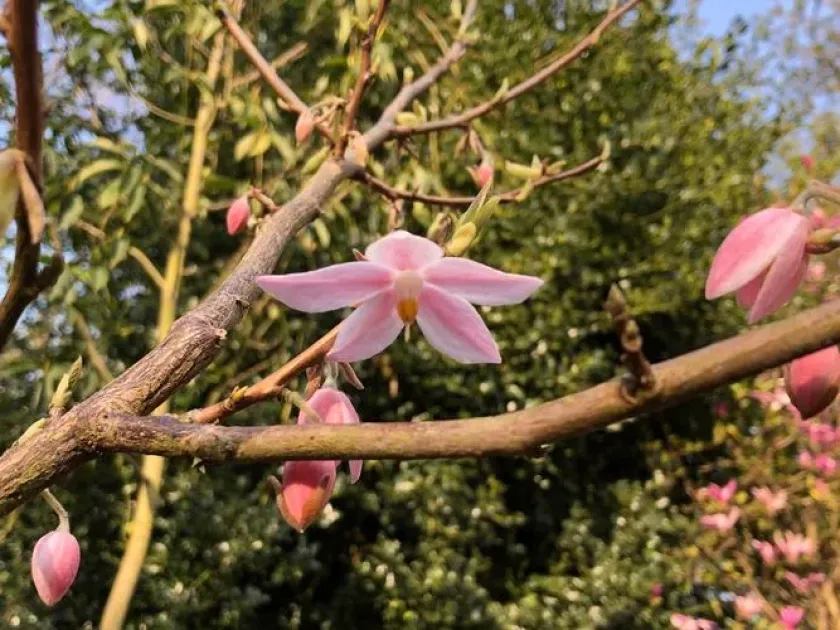
Description
Growing requirements
Melliodendron xylocarpum is a distinct woody species belonging to the Styracaceae family. Native to the mountain forests of China and Vietnam, this plant is valued for its unique morphological features and its rarity in the horticultural world.
The species requires deep, fertile, and well-drained soils to thrive. It is particularly sensitive to alkaline soil conditions and performs best in slightly acidic environments that are rich in organic matter and maintain consistent moisture levels without waterlogging.
Climatically, the tree prefers regions with temperate to subtropical climates where it can avoid extreme winter frost. Proper site selection must include protection from strong, desiccating winds that could damage the delicate foliage and inhibit proper transpiration processes.
Agronomic management involves providing partial shade during the peak growth season, especially in regions with intense summer heat. Maintaining a layer of organic mulch around the base of the tree is essential to preserve root moisture and stabilize soil temperatures throughout the year.
Regular monitoring of soil fertility is recommended, with supplemental feeding provided during the spring flush. Given its slow-growing nature in non-native environments, patience and precision in nutrient application are key factors for ensuring the longevity of the plant.
Harvesting
The primary horticultural use of Melliodendron xylocarpum is in ornamental landscape architecture, where it serves as a specimen tree in botanical collections. While its wood possesses some structural properties, the species is currently prioritized for conservation and ornamental use rather than industrial timber production.