
Melanthium
Melanthium
Melanthium is a genus of herbaceous perennial plants belonging to the family Melanthiaceae. These plants are known for their distinct appearance and are primarily native to the eastern parts of North America.
What the section contains

Melanthium
In their natural environment, they thrive in moist, humus-rich woodlands and meadows, often requiring stable moisture levels to maintain their complex root systems during the active growing season.
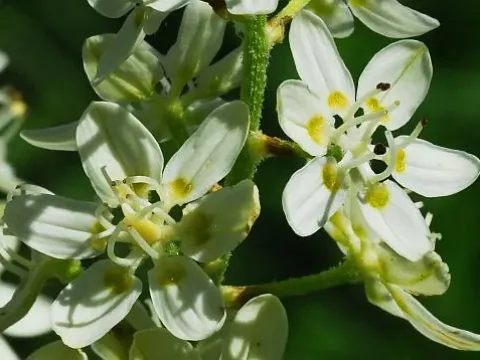
The botanical structure consists of a stout stem carrying alternate, often lanceolate leaves, topped by an elegant panicle of small, starry flowers that transition in color as they mature.
For horticultural success, Melanthium requires acidic to neutral soil that is rich in organic matter. Proper drainage is essential to mimic their native environment and prevent the roots from becoming waterlogged.
While primarily used as ornamental plants in shade gardens, gardeners should note that all parts of the plant are considered toxic due to the presence of specific alkaloids, necessitating caution in planting sites.
Melanthium species are generally robust, but they are susceptible to environmental stress, particularly when the soil conditions do not meet their specific drainage requirements.
Root rot is the most significant threat, typically caused by excessive soil moisture combined with poor air circulation, which fosters fungal growth in the rhizomes.
Fungal leaf spots can occur during periods of prolonged high humidity, necessitating proper spacing between plants to encourage airflow and reduce the humidity around the foliage.
Gastropods, such as slugs and snails, represent the main pest threat, particularly to the young spring shoots, which can be protected using organic barriers or specialized deterrents.
Maintaining a healthy garden environment involves removing decaying organic matter around the plants to prevent the accumulation of potential pathogens that could compromise the plant's health.