
Melanthium virginicum
Melanthium virginicum
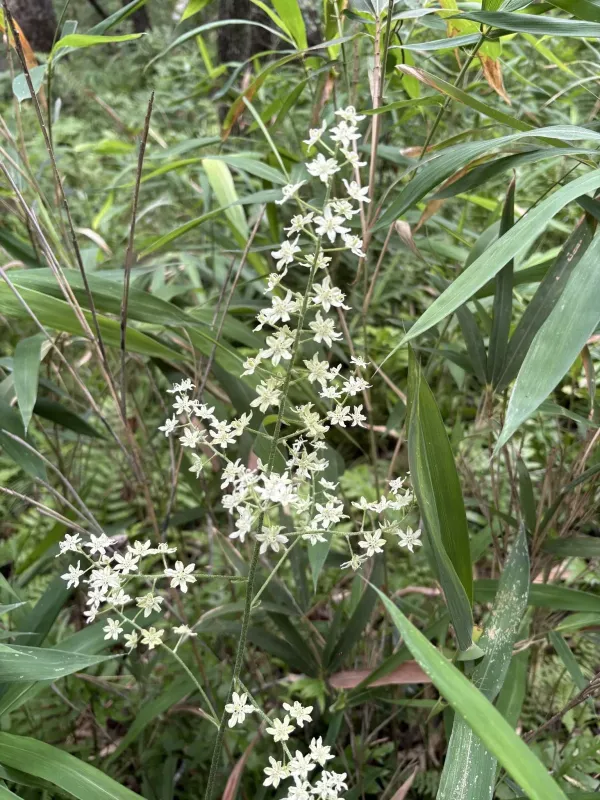
Description
Sowing dates
Sowing seeds of Melanthium virginicum, commonly known as bunchflower, requires careful timing as the seeds need a period of cold stratification to break dormancy.
The most effective method is sowing in late autumn, allowing the seeds to undergo natural winter cycles in the soil, which significantly improves germination rates in spring.
If sowing indoors or in greenhouses, seeds must be kept at temperatures around 2–5 degrees Celsius for several weeks before moving them to warmer conditions.
Seed depth should remain shallow, typically around 0.5 centimeters, to ensure that the small seedlings do not exhaust their energy reserves before reaching the surface.
Patience is essential during the early growth stages, as this species is known for a slow initial development rate, requiring a weed-free environment to establish properly.
Growing requirements
Melanthium virginicum is a member of the Melanthiaceae family and is native to the meadows and forest edges of North America, where it thrives in specific ecological niches.
The plant requires consistently moist, nutrient-rich soils that are well-drained, as it naturally occupies sites where water levels remain stable throughout the growing season.
Regarding light conditions, bunchflower prefers partial shade or dappled light, which protects it from the intense midday sun that can cause foliage to scorch.
The ideal climate for this plant includes temperate regions with moderate humidity levels, avoiding areas subject to extreme heat or prolonged drought.
Soil management should include regular additions of organic compost to maintain acidity levels and moisture-retentive properties conducive to the plant's root health.
Harvesting
As Melanthium virginicum is primarily cultivated for its ornamental value in landscaping, harvesting is limited to the collection of seeds for propagation purposes.
Harvesting should be done when the seed capsules have turned tan or brown, signaling that the seeds inside are fully mature and ready for extraction.
One must handle the plant with care, as it contains alkaloid compounds that can be toxic if ingested, serving as a natural defense against herbivores.
Capsules are harvested by cutting the stalks and placing them in dry, airy locations, allowing the seeds to dry fully before final processing and storage.
Proper storage involves using paper or breathable cloth bags in a cool environment to ensure the longevity of the seeds for future planting seasons.