
Paris japonica
Paris japonica
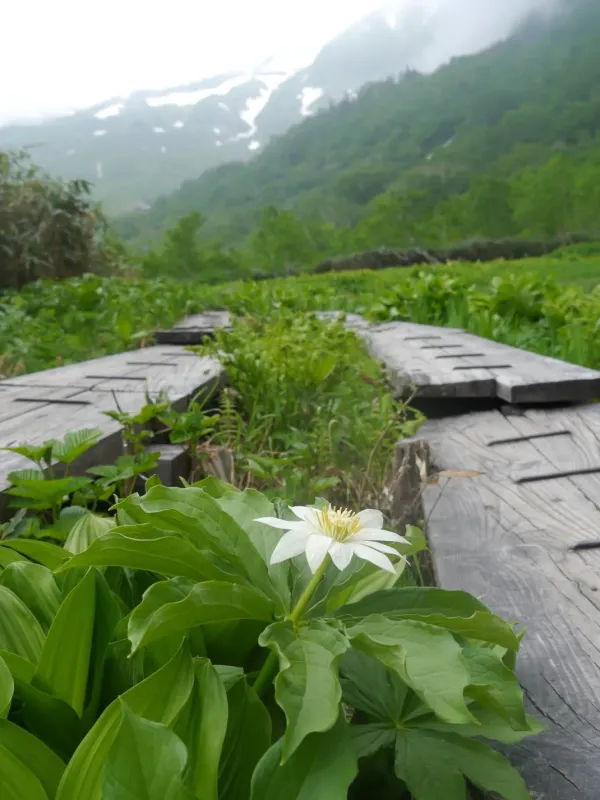
Description
Growing requirements
Paris japonica is a rare perennial herbaceous plant belonging to the Melanthiaceae family. Originating from the mountainous islands of Japan, it is well-adapted to cool, humid forest environments, making it a prized specimen for specialized woodland gardens.
To cultivate this species successfully, growers must emulate its natural habitat. This requires providing a location with dappled shade, as the foliage is highly sensitive to intense direct sunlight, which can cause leaf scorch and dehydration.
The soil profile is critical for this species; it requires a substrate that is rich in organic matter, such as leaf mold, and possesses a light, airy structure. Effective drainage is non-negotiable to prevent root rot in the dense, rhizomatous root system.
Climatic requirements focus on cool summers and steady humidity. In regions with high temperatures, it is essential to use mulch and strategic placement to prevent the rhizomes from overheating, which is a common cause of failure in cultivation.
Annual growth cycles are strictly dictated by temperature. The plant thrives when there is a clear distinction between the dormant winter season and the moist, cool growing period during spring and early summer.
Main diseases and pests
The most significant threats to Paris japonica are fungal pathogens, specifically those causing root and crown rot. These are primarily induced by poor drainage, excessive soil moisture, or a lack of airflow around the foliage.
Gastropods, including slugs and snails, are major pests in the garden environment. They are attracted to the succulent new shoots and leaves, capable of causing substantial damage in a very short amount of time during damp weather.
Leaf spot diseases can occur under conditions of high humidity, particularly when foliage remains wet for extended periods. Maintaining proper spacing between individual plants is a key management strategy for preventing pathogen spread.
While relatively pest-resistant compared to fast-growing annuals, soil-borne larvae can occasionally damage the rhizomes. Regular monitoring of the growing site for signs of disturbance or plant wilting is highly recommended.
Nutrient deficiency may predispose the plant to secondary infections. Using high-quality organic fertilizers, applied during the initial stages of vegetative growth, is essential for maintaining strong cell walls and overall immunity.