
Medinilla dolichophylla x Medinilla magnifica
Medinilla dolichophylla x Medinilla magnifica
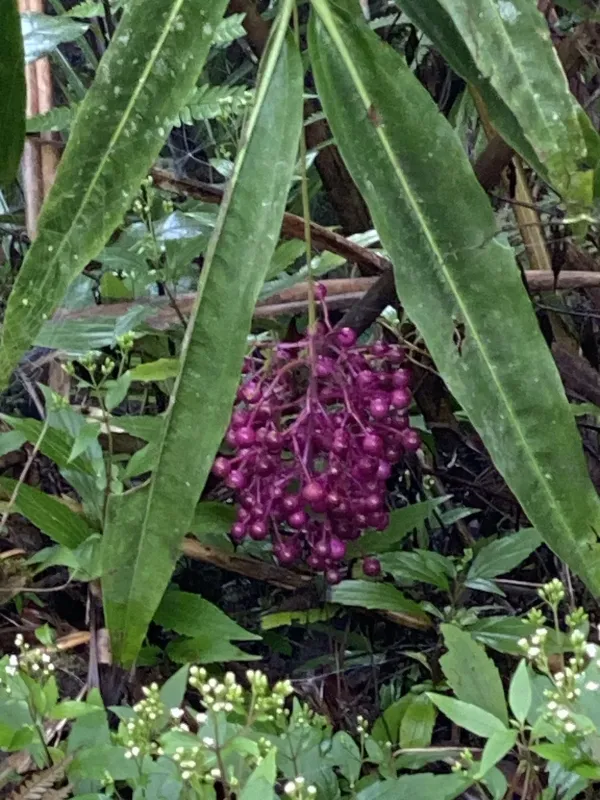
Description
Growing requirements
The hybrid Medinilla dolichophylla x Medinilla magnifica is a prominent member of the Melastomataceae family, known for its dramatic cascading inflorescences and robust, deep-veined foliage. This cultivar represents a sophisticated intersection of species, adapted for specialized greenhouse environments.
Originating from the tropical rainforests of Southeast Asia, this hybrid requires consistent environmental conditions to thrive. In cultivation, it performs best under filtered bright light, avoiding intense direct solar radiation that can scorch its large, sensitive leaves.
The substrate must reflect its epiphytic nature. A coarse, airy mixture consisting of orchid bark, perlite, sphagnum moss, and high-quality peat is ideal. This composition ensures rapid drainage and prevents the compaction of the root system, which is vital for long-term health.
Humidity management is essential, with an ideal range between 70% and 80%. High ambient moisture levels support the plant's metabolic activity and promote the development of its signature bract-covered flower stalks, which are the main decorative feature of the plant.
Temperature control is critical for maintaining vegetative vigour. The plant thrives in temperatures ranging from +20°C to +26°C. Any significant drop below +15°C should be avoided, as it can cause sudden leaf drop and predispose the plant to dormant-season pathogens.
Main diseases and pests
Mealybugs are the most common pest, often hiding in the complex junctions of the stems and the undersides of the leaves. Manual removal followed by the application of horticultural oils or systemic insecticides is usually necessary to manage severe infestations effectively.
Spider mites can become a significant problem in environments with low humidity. These pests feed on the cellular sap, leading to stunted growth and mottled foliage. Consistent leaf wiping and humidity control are the most effective non-chemical preventative measures.
Root rot caused by Phytophthora species remains the primary pathological concern. It is frequently triggered by overwatering or using a substrate with poor permeability. Infected plants often show wilted leaves despite moist soil, requiring immediate repotting and fungicide treatment.
Fungal leaf spot pathogens can thrive in stagnant air conditions within greenhouses. To mitigate this risk, it is essential to maintain proper airflow and avoid overhead irrigation that leaves water sitting on the leaf surfaces for prolonged periods.
Nutrient deficiencies, particularly regarding trace elements like iron and magnesium, can lead to interveinal chlorosis. Maintaining a slightly acidic pH in the substrate ensures that the plant can efficiently uptake necessary nutrients for vibrant green leaf production.