
Medinilla dolichophylla
Medinilla dolichophylla Merr.
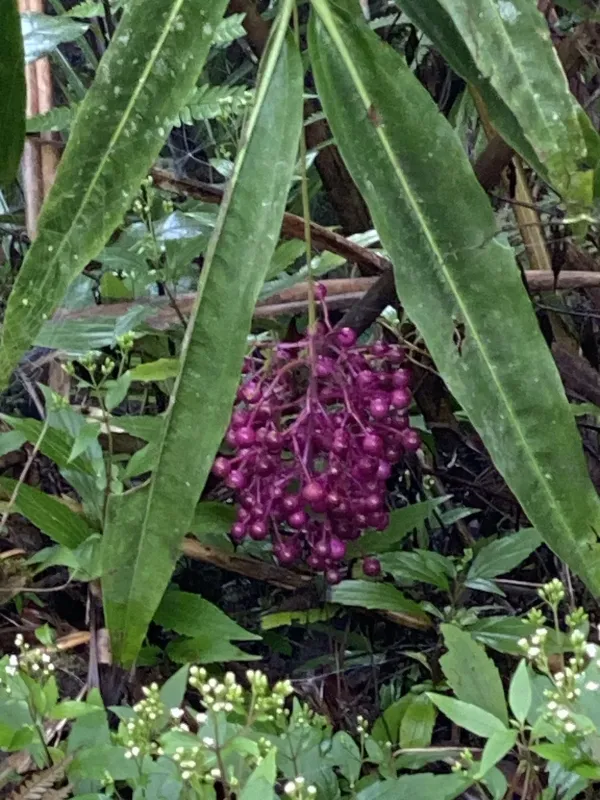
Description
Growing requirements
Medinilla dolichophylla is a member of the Melastomataceae family, known for its significant ornamental value. It originates from the tropical rainforests of the Philippines, typically exhibiting epiphytic growth habits in its native habitat.
The cultivation of this species requires strict adherence to high humidity levels, ideally maintained between 70% and 85%. In controlled environmental conditions, such as greenhouses, automated misting systems are standard to ensure consistent atmospheric moisture.
Temperature management is vital, as the plant thrives in tropical temperatures ranging from +22°C to +28°C. Any exposure to temperatures below +15°C can cause physiological stress and lead to foliage drop or stunted growth.
The substrate must be well-draining, mimicking the forest floor or tree bark environment. A mixture of orchid bark, peat moss, perlite, and coconut chips provides the necessary aeration for the sensitive root system while retaining sufficient moisture.
Light requirements for Medinilla dolichophylla involve bright but indirect light exposure. High light intensity during the peak of summer requires shading, whereas low light during the winter months may necessitate supplemental lighting to ensure vigor.
Main diseases and pests
Common pests affecting this crop include spider mites, mealybugs, and scale insects. These pests often proliferate if the ventilation is inadequate or if the humidity levels fluctuate too frequently.
Fungal infections, primarily root rot and Botrytis, pose a significant threat when soil moisture levels are mismanaged. Integrated pest management, including regular inspection and the use of targeted biological or chemical controls, is recommended for healthy crop development.