
Mandarin
Citrus reticulata Blanco
Description
Growing requirements
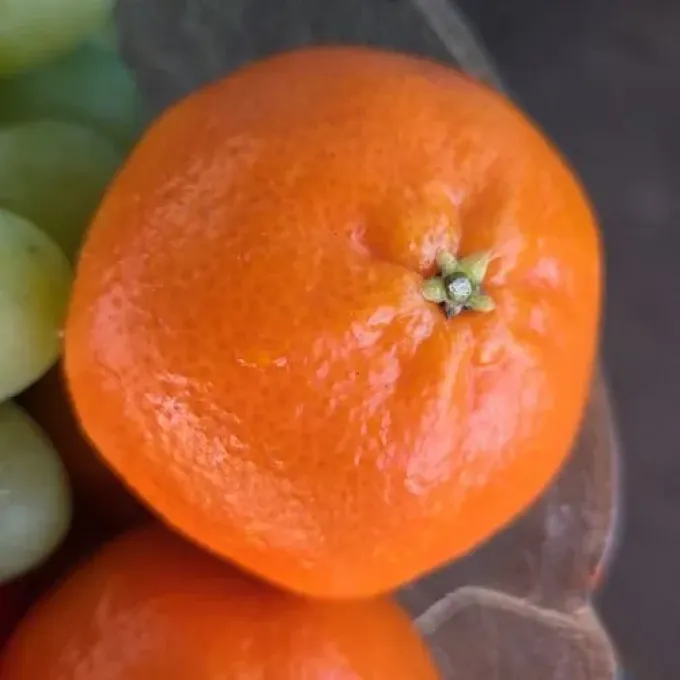
Mandarin, scientifically known as Citrus reticulata Blanco, belongs to the Rutaceae family. It is a perennial evergreen tree characterized by its dense canopy, glossy dark green foliage, and highly aromatic white flowers.
Originating from Southeast Asia, the mandarin is currently cultivated globally in tropical and subtropical climates. These regions must provide sufficient heat and sunlight for the tree to complete its biological cycles throughout the year.
The optimal temperature range for Mandarin development is 20°C to 30°C. While the plant can tolerate short periods of cooler weather, frost protection is mandatory in temperate zones to prevent irreversible damage to the vascular system and fruit buds.
Mandarin requires deep, loamy, and well-draining soils with a pH level between 5.5 and 6.5. Poor drainage often leads to root rot diseases, making site selection and soil preparation the most critical steps in establishing a new orchard.
The plant is highly responsive to irrigation, especially during the fruit-setting stage. Proper moisture management ensures uniform fruit size and prevents premature fruit drop, which is a common physiological challenge in mandarin orchards.
Yield
The yield of a mandarin orchard is highly dependent on cultivar selection, planting density, and canopy management. A mature tree, typically 10 years or older, can produce between 40 to 80 kilograms of fruit per season depending on the pruning method.
In high-density commercial orchards, yields can reach upwards of 25–30 metric tons per hectare. Intensive fertilization programs and systematic pruning are essential to maintain consistent annual production and prevent the alternate bearing cycle.
Main diseases and pests
Key pests affecting Mandarin trees include aphids, citrus leafminers, and mealybugs, which damage the photosynthetic capacity of the leaves. Integrated Pest Management (IPM) is recommended to control these populations without harming beneficial predatory insects.
Pathogenic threats include citrus canker and Alternaria brown spot, which cause significant leaf drop and fruit damage. Fungicidal applications, combined with strict sanitation protocols, are necessary to mitigate the spread of these pathogens in the field.
Harvesting
Harvesting is performed by carefully clipping the fruits from the stems. It is crucial to avoid pulling, as any damage to the rind creates entry points for post-harvest pathogens that can cause rapid decay during storage.
Post-harvest management involves cleaning, grading, and occasionally applying food-grade wax to enhance market appearance. Mandarins should be stored in cool conditions (4–10°C) with high humidity to maintain freshness and prevent moisture loss.