
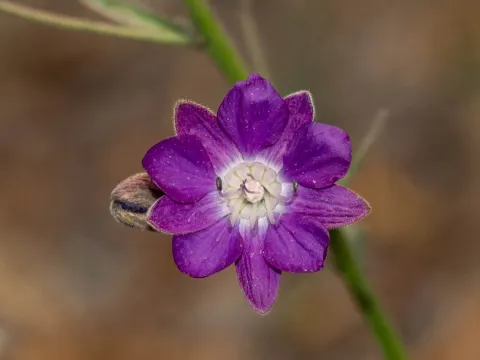
Malesherbia
Malesherbia
Malesherbia is a genus of flowering plants belonging to the family Passifloraceae. Historically, it was often classified within its own family, Malesherbiaceae, but modern molecular phylogenetics place it firmly within the Passifloraceae family due to shared genetic markers.
What the section contains

Malesherbia
The genus originates from the arid and semi-arid regions of South America, specifically the dry coastal hills and mountain slopes of Chile, Peru, and Argentina. These plants have evolved to thrive in high-altitude environments where water scarcity is a constant factor.
Botanically, Malesherbia species are characterized by their glandular-pubescent foliage and distinctive, often showy flowers. They range from small, herbaceous perennials to woody subshrubs, displaying remarkable adaptations to withstand extreme ultraviolet radiation and desert heat.
In terms of agricultural requirements, the culture demands excellent drainage and high levels of sunlight. Soil composition should be gritty or sandy, mirroring their natural stony habitats to prevent any moisture buildup that could compromise the root system's health.
The primary utility of Malesherbia is in ornamental horticulture, particularly for xeriscaping and rock garden designs. Its ability to maintain structural integrity in hot, dry environments makes it an excellent choice for gardens in mediterranean-type or desert climates.
The most significant threat to Malesherbia is the onset of fungal root rot caused by poor drainage or excessive irrigation. Once the soil becomes waterlogged, the roots quickly deteriorate, often leading to the sudden collapse of the entire plant.
Pest management should focus on common greenhouse or dry-climate invaders like spider mites. These pests thrive in dry air, so maintaining proper airflow around the plants and avoiding overcrowded planting patterns is essential for health management.