
Malesherbia tubulosa
Malesherbia tubulosa
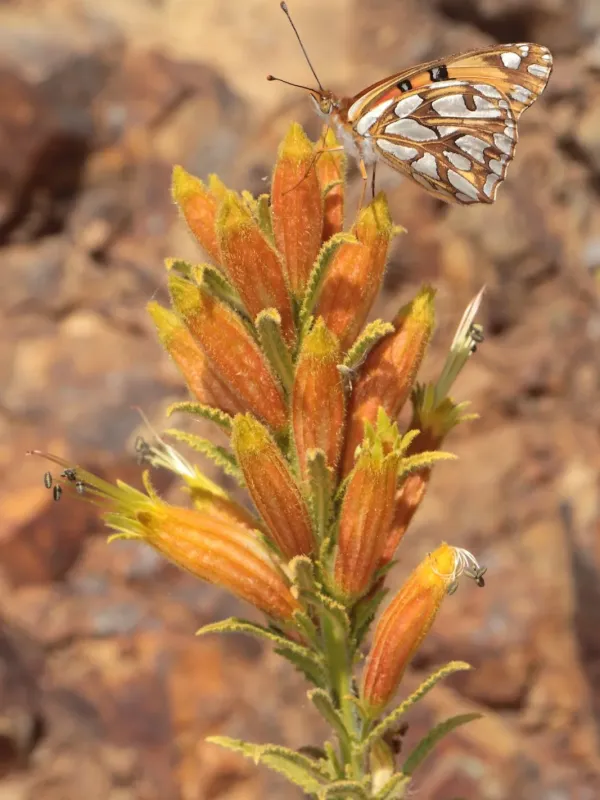
Description
Growing requirements
Malesherbia tubulosa is a distinct botanical species belonging to the Passifloraceae family, originating from the arid mountainous regions of South America, specifically in Chile and Peru. The plant is well-adapted to survive in harsh, high-altitude environments characterized by extreme temperatures and limited rainfall.
Botanically, it is classified as a perennial species that thrives in rocky, gravelly soils. Its evolutionary development has favored high tolerance for nutrient-poor substrates, provided there is excellent drainage, which is essential to prevent root asphyxiation and systemic rot.
The climate requirements for this culture are specific: it demands high solar radiation, significant diurnal temperature fluctuations, and an arid atmosphere. In a managed environment, these conditions must be mimicked to ensure the plant reaches its full physiological potential.
Agricultural management of Malesherbia tubulosa focuses primarily on careful irrigation practices, ensuring the substrate dries out completely between watering sessions. Over-fertilization should be avoided, as the species is adapted to minimal mineral uptake in its native habitat.
Regarding its хозяйственное use, the plant is primarily appreciated for its unique morphological features, making it a subject of interest for specialized botanical collections and research into the adaptation mechanisms of high-altitude desert flora.
Main diseases and pests
The primary threat to Malesherbia tubulosa is improper moisture management, which often leads to root and crown rot. Because the species is native to dry environments, it lacks natural resistance to prolonged damp conditions.
Pests such as spider mites and scale insects are common in greenhouse environments, particularly if air circulation is poor. These pests thrive in dry, warm conditions and can significantly impede the development of the foliage.
Nematode infestations can occur if the growing medium is not adequately sterilized before planting. Such infestations weaken the root system, causing stunted growth and increasing susceptibility to secondary bacterial pathogens.
Fungal pathogens including Phytophthora species are highly dangerous to this plant. Proactive monitoring of soil humidity and maintaining strict sanitation practices are critical to preventing the spread of these soil-borne diseases.
Effective control measures involve the use of targeted pesticides and ensuring environmental hygiene. It is recommended to maintain optimal aeration to discourage the colonization of pests and disease-causing organisms in the plant canopy.