
Magonia
Magonia
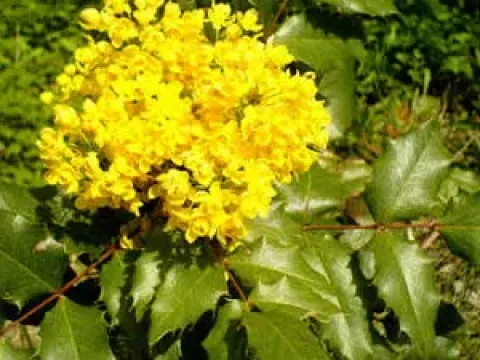
Magonia is a genus of evergreen shrubs belonging to the Sapindaceae family. The most prominent species in agricultural and ethnobotanical contexts is Magonia pubescens, which is native to the tropical savannas of South America, particularly Brazil.
What the section contains

Magonia
The plant thrives in well-drained, fertile soils with a pH ranging from neutral to slightly acidic. Providing full sun exposure is crucial for the optimal development of the canopy and the overall health of the shrub, as partial shade may significantly limit its growth rates.
Climatic requirements are strictly tied to its tropical origin. Magonia requires warm temperatures throughout the year and is highly sensitive to frost. In regions outside of its native range, it must be protected from cold snaps to prevent irreversible physiological damage.
Good agricultural practices include consistent soil aeration and regular, but controlled, irrigation. It is essential to prevent waterlogging, as the root system of this species is highly susceptible to root rot if held in anaerobic conditions for extended periods.
The economic value of Magonia lies in both its ornamental use and its fruits, which contain compounds useful in medicinal and food applications. Proper pruning techniques are recommended to maintain shape and encourage better fruit production in managed stands.
The primary pathological threats to Magonia include fungal infections such as powdery mildew, which flourish in environments characterized by high humidity and stagnant air circulation within the shrub canopy.
Insect pests, including scale insects and aphids, are common threats that feed on the sap of young stems and leaves. Regular monitoring and the application of systemic insecticides are standard management procedures for commercial stands.
Leaf spots caused by various pathogens can reduce the photosynthetic efficiency and aesthetic value of the shrub. Sanitation measures, such as the removal of infected plant debris, are critical in preventing the spread of these diseases.
Over-fertilization with nitrogenous compounds often leads to succulent, tender growth that is disproportionately prone to infestation by soft-bodied pests and opportunistic fungal pathogens.
Implementing a balanced nutritional program and ensuring adequate plant spacing are the most effective strategies for maintaining long-term vitality and minimizing the impact of common agricultural pests and diseases.