
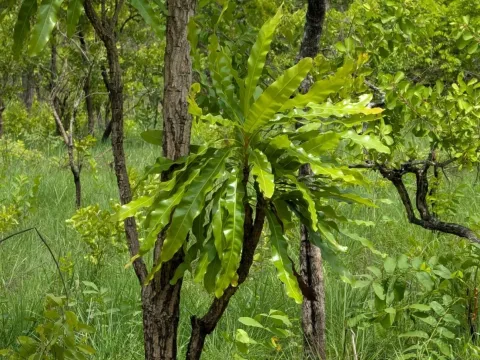
Lophira
Lophira
Lophira alata, commonly known as the red ironwood or azobe, is a prominent tropical tree species belonging to the Ochnaceae family. Native to the rainforests of Western and Central Africa, it is recognized for its massive trunk and high-quality timber. The species plays a significant ecological role in its natural habitat, contributing to canopy structure and biodiversity.
What the section contains


Lophira
The cultivation of Lophira requires a tropical environment characterized by high temperatures and consistent rainfall throughout the year. It thrives in deep, well-drained soils, although it exhibits a remarkable ability to survive in various edaphic conditions, including swampy or seasonally flooded terrains. Optimum growth is achieved when the tree receives ample sunlight, especially during its formative years.
Agronomic management of Lophira plantations focuses on proper spacing to ensure adequate light exposure and resource availability for each specimen. Weed control is essential during the initial stages of establishment to reduce competition for nutrients and moisture. The slow-growing nature of the species necessitates a long-term strategic approach to forest management and silvicultural interventions.
Economically, Lophira is primarily valued for its exceptionally dense, durable, and rot-resistant timber, often utilized in heavy construction and hydraulic engineering projects. Additionally, the tree produces seeds rich in lipids. These seeds are harvested for the production of vegetable oil, which serves both domestic culinary purposes and industrial applications, making the species a dual-purpose agricultural asset.
The preservation and sustainable harvesting of Lophira are crucial for its continued use in modern agriculture and forestry. Farmers and foresters are encouraged to adopt techniques that allow for the regeneration of the population. By balancing commercial logging with systematic replanting, the industry can maintain a consistent supply of valuable wood and oil-bearing seeds while minimizing ecological impacts.
Pest management is a critical aspect of Lophira cultivation, as wood-boring insects can significantly degrade the quality of the timber. Regular inspections of the bark and trunk are necessary to detect early signs of infestation. Integrated pest management, which includes removing severely affected trees to prevent the spread of larvae, remains the most effective strategy for plantation protection.
Fungal diseases related to high humidity and root system disturbances are among the most common biological threats to younger Lophira trees. Providing adequate drainage and preventing the accumulation of stagnant water are essential preventative measures. Maintaining clear space around the base of the trees helps ensure good air circulation, which in turn reduces the likelihood of pathogen development.