
Lophira alata
Lophira alata Banks ex C. F. Gaertn.
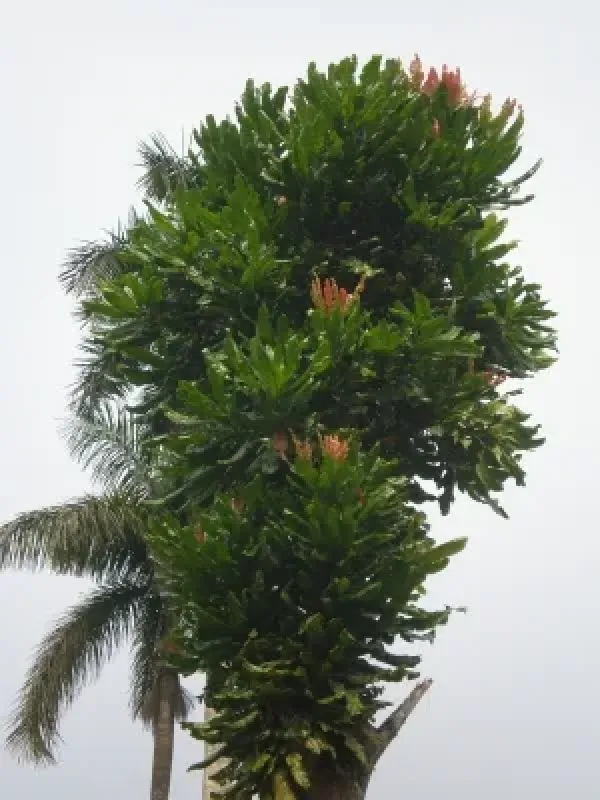
Description
Growing requirements
Lophira alata is a prominent tree species belonging to the Ochnaceae family. Native to the tropical forests of West and Central Africa, it is widely recognized for its impressive size and the exceptional density of its timber, which is often referred to in trade as 'ekki' or 'azobé'.
The cultivation of this species requires a hot and humid tropical environment. It thrives best in regions with consistent rainfall and high atmospheric humidity. In terms of soil requirements, it prefers deep, well-drained loamy soils but displays a remarkable adaptability to various soil structures, provided the root system can access adequate moisture.
From an agrotechnical perspective, Lophira alata is a slow-growing species, which requires long-term management strategies. Foresters emphasize the importance of selecting high-quality seedlings and providing initial shade management to ensure the successful establishment of young trees in plantation settings.
The tree exhibits distinct botanical characteristics, including leathery, lanceolate leaves and winged fruits that aid in seed dispersal. Its biological resilience allows it to compete effectively in diverse forest ecosystems, making it a key species for reforestation projects aiming to restore biodiversity in degraded tropical areas.
Economically, the wood of Lophira alata is highly valued for its extreme hardness and resistance to marine borers and fungi. This makes it an essential material for heavy-duty construction, including bridge building, railway sleepers, and high-traffic flooring, where durability is the primary requirement.
Harvesting
Harvesting of the seeds involves collecting the mature winged fruits as they fall from the canopy. The seeds contain significant amounts of non-edible oils that are extracted and utilized in various industrial applications, including the production of soaps and specialized lubricants.