
Lophira lanceolata
Lophira lanceolata Tiegh. ex Keay
Description
Growing requirements
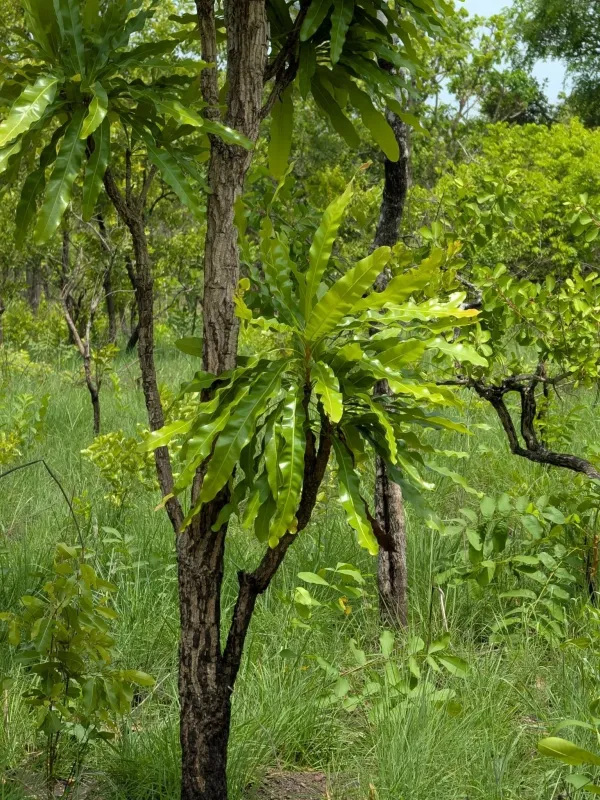
Lophira lanceolata, commonly known as red ironwood, is a deciduous tree belonging to the Ochnaceae family. It is indigenous to the savannah regions of tropical Africa, where it plays a vital role in the local ecosystem and rural economy.
The species thrives in tropical climates characterized by distinct wet and dry seasons. It shows a remarkable adaptation to sandy or loamy soils and is known for its high resilience to extreme temperatures, drought conditions, and occasional bushfires.
Botanically, the tree features distinctive lanceolate leaves and white, fragrant flowers. The fruit is a winged nut containing a kernel, which is highly valued for the production of edible and industrial oils.
Cultivation requires full sun exposure, as the tree is intolerant of deep shade. While it is hardy and capable of growing in poor-quality soil, ensuring adequate drainage is critical to prevent root diseases during the peak rainy season.
Agricultural management is minimal once the trees are established. Young plants may require protective measures against livestock grazing and competing weeds, but mature specimens are self-sustaining and contribute to the biodiversity of the agroforestry plots.
Harvesting
The primary economic value of Lophira lanceolata lies in its oil-bearing seeds. The fat extracted from these kernels is widely utilized in the food sector, skincare formulations, and as a natural lubricant for industrial machinery.
Harvesting typically occurs when the winged fruits reach maturity and fall naturally to the ground. Manual collection remains the most effective method, reflecting the semi-wild nature of many existing stands throughout West and Central Africa.
The timber of Lophira lanceolata is renowned for its exceptional density, hardness, and durability. These characteristics make it a preferred material for heavy-duty construction, railroad sleepers, and high-quality flooring that must withstand tropical weathering.
Furthermore, the bark and roots contain bioactive compounds utilized in traditional medicine to address inflammatory conditions and digestive ailments. Its dual role as a timber producer and a medicinal plant highlights its potential for multi-purpose sustainable farming.
- Seed oil extraction for industry
- High-density timber production
- Traditional medicinal applications
- Agroforestry for soil restoration