
Lomatium tenuissimum
Lomatium tenuissimum
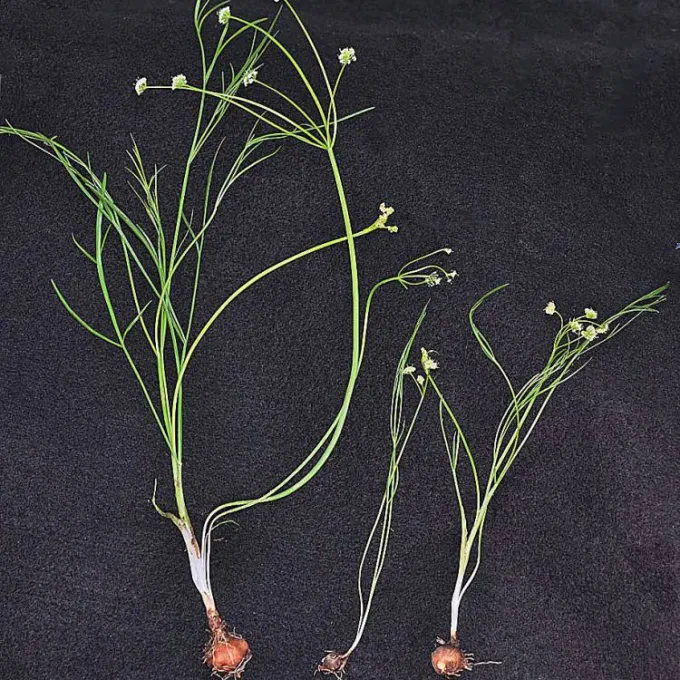
Description
Growing requirements
Lomatium tenuissimum is a herbaceous perennial belonging to the Apiaceae family. It is native to high-altitude regions of North America, where it thrives in challenging, well-aerated rocky environments.
Successful cultivation requires soil with excellent drainage properties. Sandy, gritty, or loose stony soils are ideal to prevent root rot, which is the most common cause of failure in domesticating this species.
The plant requires full sun exposure to thrive. In a cultivation setting, it is essential to ensure that the site has optimal light levels, as the plant is adapted to open, treeless mountain meadows where competition for sunlight is minimal.
Regarding climate, the plant is highly adapted to cooler, mountainous conditions. It displays strong resilience to fluctuating temperatures and can withstand seasonal frost, making it suitable for regions with shorter growing seasons.
Economic potential lies in the harvesting of its roots, which have historical significance in indigenous medicine and as a food source. Modern producers are exploring its use in niche pharmaceutical and nutraceutical markets.
Main diseases and pests
Fungal diseases, particularly root and crown rots, pose the greatest threat to Lomatium tenuissimum. These pathogens thrive in waterlogged conditions, making rigorous soil management and drainage the primary defense strategy.
Pests such as aphids and leaf miners can infest the foliage, reducing the plant's photosynthetic capacity. Infestations typically occur when plants are stressed by drought or poor air circulation within the field.
Root-knot nematodes can also hinder development, particularly in plantations established on previously cultivated agricultural land. Crop rotation is highly recommended to mitigate the build-up of soil-borne parasites.
Rodents may also pose a risk to the fleshy taproots of the plant. Field management strategies, such as physical barriers or encouraging natural predators in the vicinity, are effective ways to protect the crop.
Integrated Pest Management (IPM) is the best approach, focusing on preventive measures such as proper spacing for air circulation and the use of organic soil amendments to strengthen plant immunity.