
Lomatium leptocarpum
Lomatium leptocarpum
Description
Growing requirements
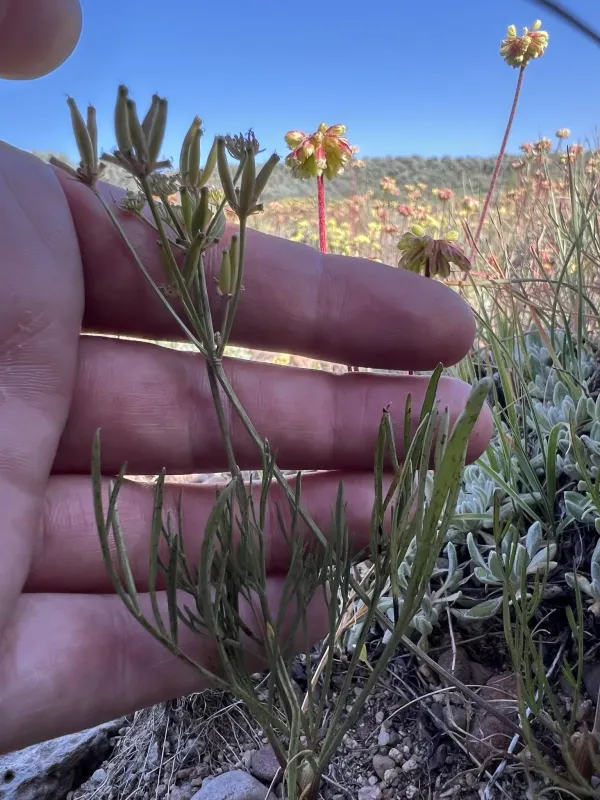
Lomatium leptocarpum is a perennial herb belonging to the Apiaceae family, native to the arid and mountainous landscapes of North America. This species is well-adapted to environments where water availability is periodic and soil conditions are often rocky or gravelly.
The botanical structure of the plant is defined by a deep taproot, which is a critical evolutionary adaptation for surviving dry summers. The foliage is typically finely divided, displaying a glaucous texture that helps reduce water loss through transpiration in harsh, sunny conditions.
Optimal growth requires well-draining, sandy or loamy soils. Growers must avoid heavy, clay-rich soils that retain moisture, as Lomatium leptocarpum is highly susceptible to root rot in waterlogged conditions. The soil should ideally have a neutral to slightly alkaline pH.
The plant is highly resilient to cold temperatures and exhibits a dormant phase during extreme heat or drought. This physiological plasticity allows it to thrive in continental climates with significant temperature fluctuations, provided it is established in an appropriate microclimate.
In terms of agricultural use, Lomatium leptocarpum is gaining attention for its potential in the herbal industry. Its roots have historical significance in ethnomedicine due to their potent antimicrobial compounds, making it a valuable candidate for niche crop production and specialty pharmaceutical cultivation.
Main diseases and pests
The primary threats to Lomatium leptocarpum cultivation are soil-borne pathogens, particularly fungi that thrive in moist, poorly drained conditions. Root rot, caused by species such as Phytophthora, is the most destructive disease for this taproot-dominant crop.
Insects such as wireworms and various beetle larvae pose a significant risk, as they directly consume or damage the root system. This not only impairs the plant's health but also creates entry points for fungal infections, significantly reducing the final harvest quality.
Aphids are the most common pests affecting the above-ground biomass, especially during the active growing season. Beyond direct damage, aphid infestations often facilitate the spread of viral diseases, which can rapidly diminish the vigor of an entire planting block.
Powdery mildew can become a problem in regions with high humidity and poor air circulation. While the plant prefers dry conditions, periods of unseasonable rain can trigger fungal foliage diseases that interfere with energy storage in the plant.
To mitigate these risks, farmers should focus on preventive measures, including selecting well-draining sites, implementing strict crop rotation, and ensuring adequate plant spacing. Using healthy, disease-free seed stock is crucial for establishing a resilient and productive crop stand.