
Lomatium lithosolamans
Lomatium lithosolamans
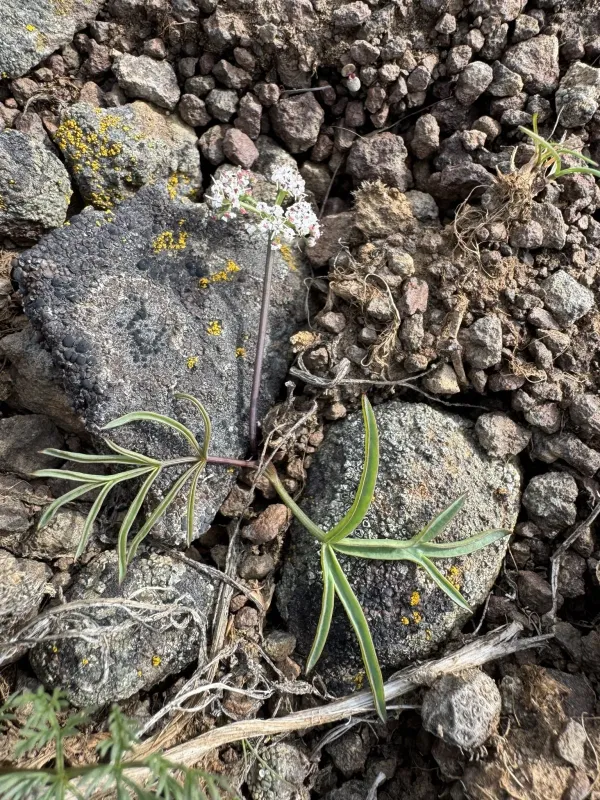
Description
Sowing dates
Lomatium lithosolamans is a perennial herbaceous plant belonging to the Apiaceae family. In its native habitat, it reproduces via seeds, which typically require a period of cold stratification during winter to overcome innate dormancy.
In cultivation, sowing is most effective in late autumn to allow natural chilling. Alternatively, seeds should undergo artificial stratification at temperatures between +2°C and +5°C for 60 to 90 days before being placed in a greenhouse or cold frame.
Seeds are small and should be sown at a shallow depth of approximately 0.5 to 1 cm. A light, well-draining substrate is necessary to prevent premature seed rot. Germination is often slow and can be irregular depending on soil moisture conditions.
Optimal spacing is crucial due to the plant's moderate growth rate. A minimum distance of 40 cm between plants is recommended to ensure proper airflow and to minimize the risk of fungal infections within the foliage.
It is vital to use fresh seed stock whenever possible. Storing seeds for extended periods in dry conditions can significantly reduce germination rates, impacting the overall success of the crop establishment.
Growing requirements
Lomatium lithosolamans is natively adapted to harsh, rocky environments, specifically lithosols and scree slopes. It requires a site with full sun exposure to thrive, as it is highly intolerant of shade from competing vegetation.
The most important soil requirement is exceptional drainage. The species is highly susceptible to root rot, so heavy, clay-based, or waterlogged soils must be avoided. A mix of sand, grit, and native mineral soil is the best substrate for cultivation.
The plant grows well in neutral to slightly alkaline soils. It does not demand high concentrations of nutrients and performs best in substrate that mimics its natural, low-fertility environment. Fertilizers should be used sparingly, if at all.
Being a drought-tolerant species, it has a robust taproot system that allows it to survive long dry spells. While it can handle high summer temperatures, it requires a period of winter dormancy to complete its biological cycle correctly.
Good ventilation is key. In cultivation, ensure the site has enough exposure to natural breezes to prevent moisture from settling on the plant crowns, which could otherwise lead to disease outbreaks.
Yield
Due to its status as a rare plant and its slow growth, the production volume of Lomatium lithosolamans is very limited. It is primarily grown for botanical, research, or small-scale specialized purposes rather than large-scale commercial output.
The main yield consists of its roots, which are known to contain specific bioactive compounds. The maturation period for these roots typically spans several years, making the cultivation process long-term and intensive.
Productivity is best improved by ensuring consistent soil conditions that allow for deep taproot development. Removing weed competition is the most significant factor in maximizing the health and eventual dry-weight yield of the root biomass.
Harvesting is best conducted during the dormant winter or early spring season when the plant's secondary metabolites are at their highest concentration within the root structure.
As a sustainable practice, producers should maintain an age-stratified nursery, allowing for periodic harvests while ensuring that a sufficient number of mature plants remain to provide seeds for the next generation.
Main diseases and pests
The primary threats to this species are soil-borne pathogens, particularly fungal root rots. These are triggered by poor drainage or excessive atmospheric humidity, which prevent the root zone from drying out properly between watering events.
Pests such as aphids can cause damage to the foliage and flower stalks during the early spring growth phase. While generally manageable, heavy infestations can weaken the plant and negatively affect seed set.
Preventative care involves careful monitoring of soil moisture levels. Keeping the soil surface dry, perhaps by using a grit mulch, is an effective strategy to keep the crown of the plant away from excess moisture.
Weeds pose a significant risk, especially during the first year of the plant's life when it is most vulnerable. Hand-weeding is necessary to avoid damaging the taproot of the young Lomatium plants.
Soil-dwelling larvae, such as those of certain beetles, can cause damage by feeding on the taproots. In areas with high pest pressure, organic control methods or preventative soil management are recommended to ensure long-term plant health.