
Limeum viscosum
Limeum viscosum
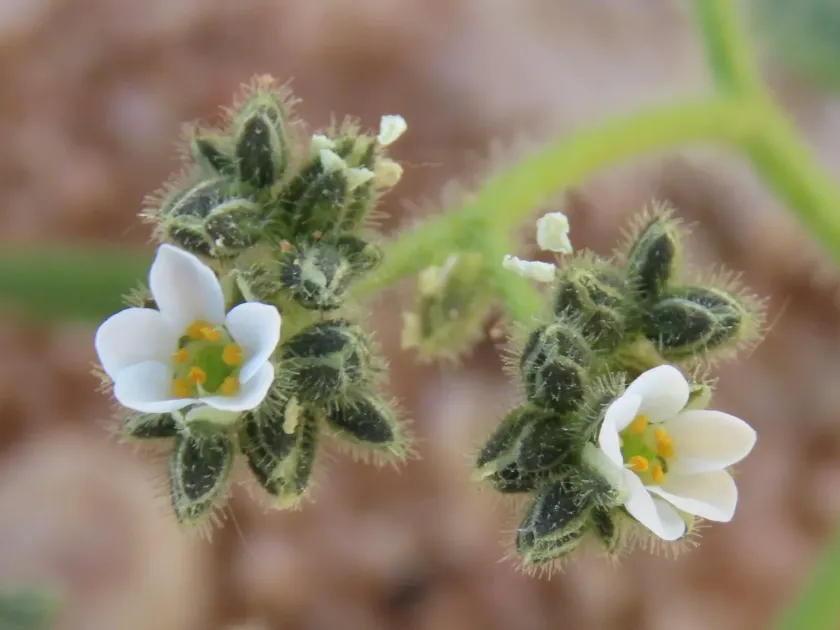
Description
Growing requirements
Limeum viscosum is a distinctive herbaceous plant belonging to the Limeaceae family. Originating from the arid regions of Southern Africa, it is a quintessential xeric species evolved to thrive in high-temperature, low-rainfall environments.
The botanical name refers to the plant's viscous, glandular hairs that cover its foliage and stems. This physical adaptation serves a dual purpose: it reduces transpiration loss and provides a sticky surface that acts as a defense mechanism against certain insects.
Regarding soil requirements, Limeum viscosum prefers sandy, well-draining substrates. It is exceptionally well-adapted to nutrient-poor and saline soils where more demanding crops would fail to establish or survive.
The plant requires full sun exposure and warm climate conditions to maintain its physiological functions. It is highly intolerant of waterlogging, making proper drainage the most critical factor for any cultivation attempt in controlled conditions.
A typical agricultural approach for this species involves minimal interference, allowing the plant to leverage its natural resilience. Over-watering is the primary threat to the crop's vigor and health, potentially leading to root decay.
Yield
The primary agricultural utility of Limeum viscosum lies in its role as a forage resource for livestock in dryland pastoral systems. Its ability to remain green during dry spells provides essential feed for grazing animals.
In terms of forage quality, the plant provides a stable source of nutrients in harsh conditions, though it is usually consumed in combination with other vegetation. Its presence helps maintain the biomass of rangelands during periods of limited pasture availability.
Yield capacity remains closely tied to the intensity of seasonal rainfall. While individual plants are robust, their biomass production per hectare in dry farming systems varies significantly according to annual weather patterns.
Beyond fodder, the species is recognized for its utility in land reclamation and soil stabilization. By binding loose sand particles with its root architecture, the plant effectively mitigates wind erosion in degraded ecosystems.
Current research explores the potential of Limeum viscosum to be used in sustainable agriculture projects aimed at restoring fragile ecosystems. Selective breeding could eventually lead to improved varieties with higher biomass yield and better nutritional profiles.