
Limeum sulcatum
Limeum sulcatum
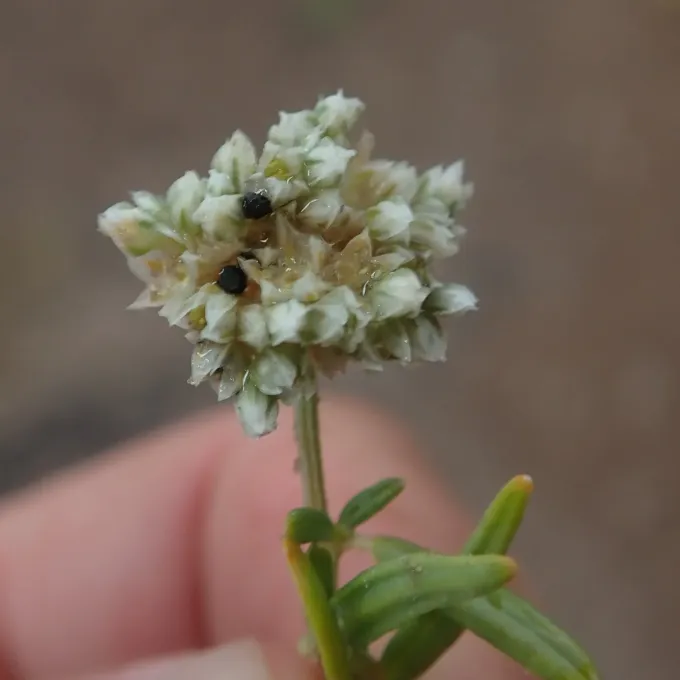
Description
Growing requirements
Limeum sulcatum is a herbaceous perennial plant belonging to the Malpighiaceae family (often categorized in Limeaceae). This species has evolved to thrive in extremely arid environments, making it a subject of significant interest for research into desert land management.
Originating from Southern Africa, it naturally inhabits sandy plains and stony slopes. Its ability to survive in environments with minimal water input is facilitated by specialized anatomical structures that help conserve internal moisture during prolonged periods of drought.
The crop requires full solar exposure to achieve optimal growth rates. Inadequate light intensity often results in stunted development, which directly impacts the total biomass production. It is highly suited for regions where high heat and high solar radiation inhibit the growth of traditional crops.
Soil requirements for Limeum sulcatum are focused on drainage and aeration. It performs exceptionally well in nutrient-poor, sandy soils where competition from other species is minimal. Soil compaction must be avoided to allow for proper deep root penetration.
Climate adaptability is the defining trait of this plant. It is capable of enduring extreme temperature fluctuations, maintaining vitality even when environmental conditions prevent the growth of most other vegetation types. Its hardiness makes it a candidate for soil stabilization projects.
Main diseases and pests
The primary threats to Limeum sulcatum in cultivation are related to suboptimal moisture management rather than high disease pressure. As a desert-adapted plant, it lacks natural defenses against the pathogens common in irrigated agricultural systems.
Root pathogens such as Phytophthora and Pythium are the leading cause of crop failure when soil saturation is not carefully regulated. These fungi exploit wet conditions to compromise the root system, often leading to rapid plant decline.
In terms of insect pests, locusts and grasshoppers represent the most significant threat. Given the limited food sources in its native habitat, these insects can cause extensive defoliation, which might require localized protective measures.
Sucking insects, including aphids and spider mites, may sporadically infest plants in high-density nursery settings. However, the plant's chemical profile generally deters most common insect herbivores, providing a level of natural protection.
Agronomic control strategies should focus on preventive drainage maintenance and strict irrigation scheduling. By keeping the soil surface dry and ensuring proper air circulation, the incidence of fungal and bacterial threats is kept at a manageable minimum.